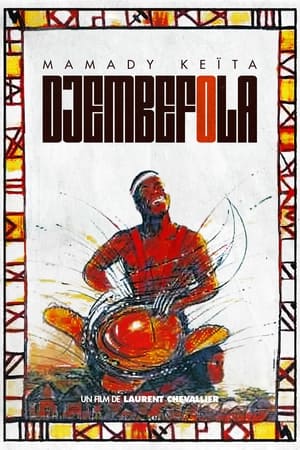
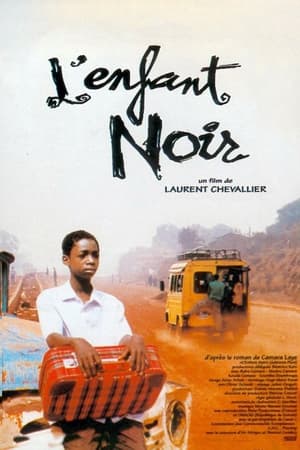
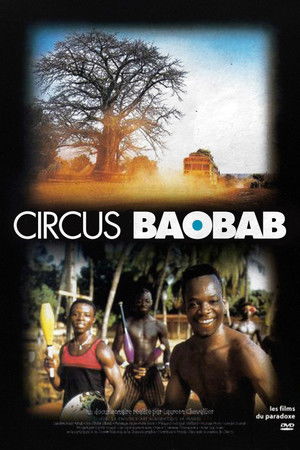
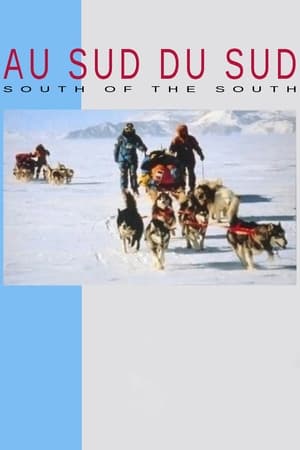
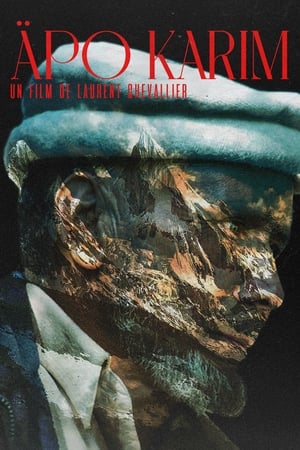
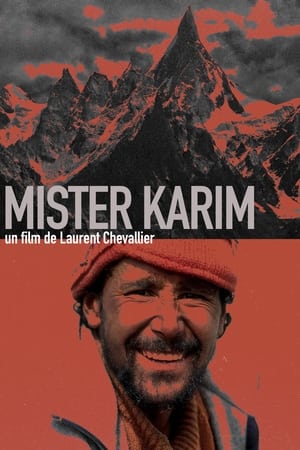
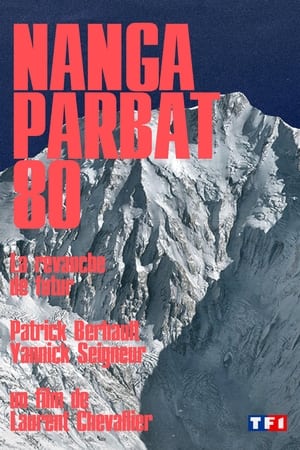
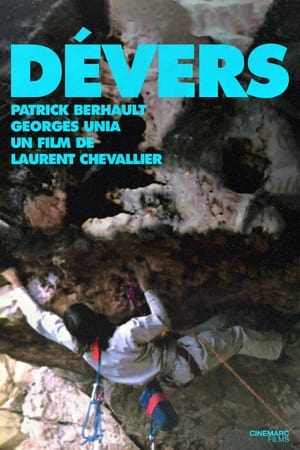
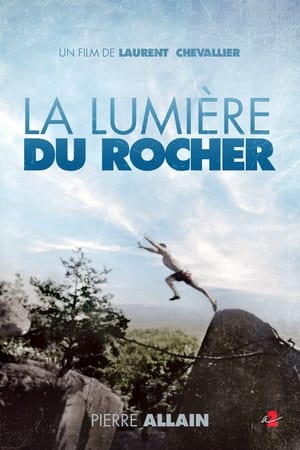
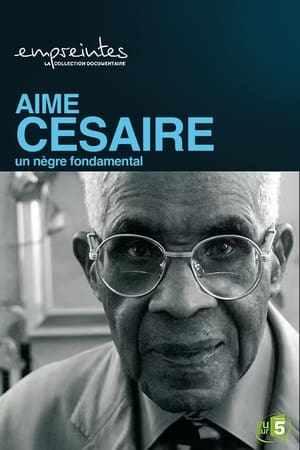
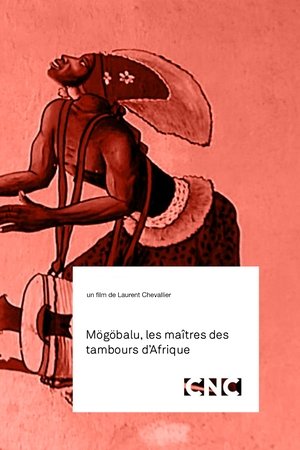
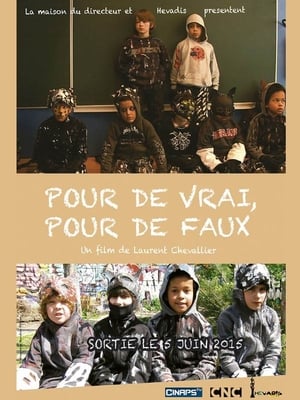
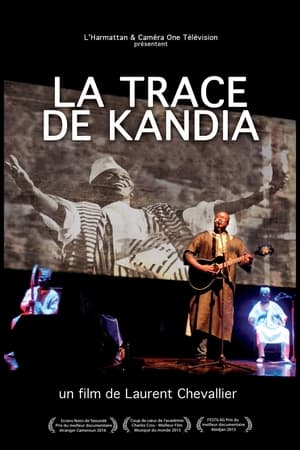
Laurent Chevallier was born on June 6, 1955. Originally from the Grenoble region, he is a very experienced skier and mountaineer. His film studies in Paris were oriented from the start towards documentaries, since he wrote a memoir on the "father" of documentary film, Robert Flaherty (1884-1951, author of "Nanouk L'Esquimau" in 1919-1922, and "L'Homme D'Aran" in 1932-34), and on Joris Ivens (1898-1989, who shot his last film, "Une Histoire De Vent", in China at the age of 90 with the presence by Laurent Chevallier on camera), both absolute models of all the great documentary filmmakers. After his studies, he was assistant cameraman or director of photography for many films (with Jean-Jacques Beineix, Jacques Rouffio, René Allio, Gérard Mordillat, Patrice Leconte, Ilmaz G'fcney, Gérard Oury). from 1979, he made numerous documentaries (26 and 52 minutes) for television in France, Cape Horn, the Himalayas, the North Pole, Patagonia, Thailand, Italy, Ireland, Pakistan, in China, Canada, USA, Australia, Uganda, Guinea. To his credit in particular "La Voie Express" one of the first films on free climbing featuring the climber Patrick Berhault, and the trilogy on "Little Karim" the Pakistani mountain carrier that he will follow over 20 years in three parts. "Au Sud Du Sud" is his first feature film. It traces the incredible crossing of Antarctica by six men from the USA, Japan, China, USSR, Great Britain and France (Doctor Jean-Louis Etienne is at the origin of this expedition) . About this film Jean-Louis Etienne spoke about the dangers of the documentary by affirming: “Nothing of such with Laurent, because I know that I will be able to control the images and the recorded words. It's not about '85 control, it's because there is friendship, trust. This extreme adventure was filmed in stages. Laurent Chevallier was attentive of course to the fabulous landscapes crossed, but also to human relations during these seven months of expedition. He very scrupulously rendered the very particular rhythm of this trip and his feat was also to show the monotony without ever being boring. "Djembefola" is his first Guinean feature film, shot a few years before "L'Enfant Noir". "Djembefola" was covered with prizes in France and abroad (Grand Prix of the Amiens Festival, Best Documentary in San Francisco). "The Black Child" was selected for the Quinzaine des Réalisateurs at the Cannes Film Festival in 1995. In 2001 he returned to Africa where he recounted, under the title Circus Baobab, the expedition of a circus troupe from South of France through Guinea. Then followed during his career many committed films constantly questioning the world in which we live such as La Vie sans Brahim (2003), "Aimé Césaire, a fundamental negro" (2008), "Faut-il be afraid d 'Amazon?' (2018) ...
Filmography