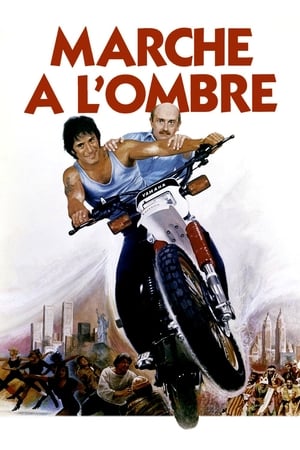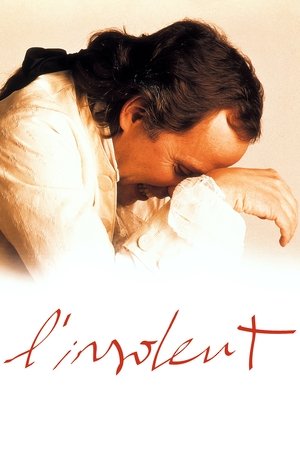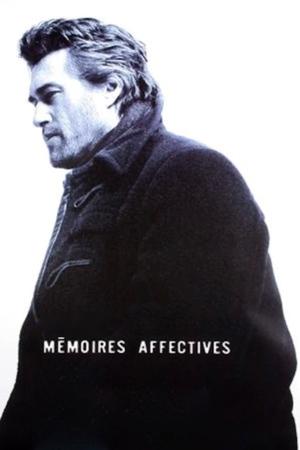

Maka Kotto
 KNOWN FOR
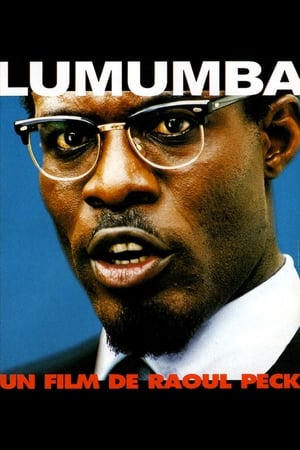
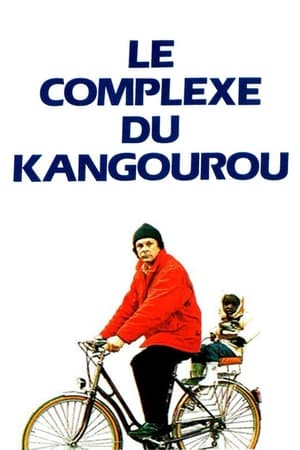
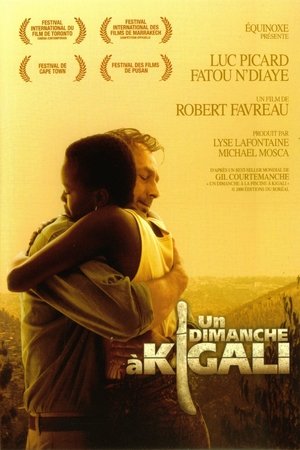
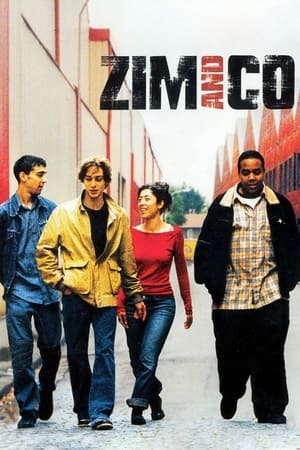
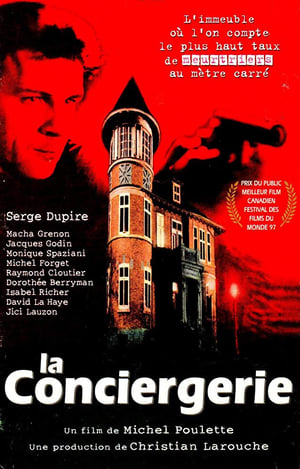
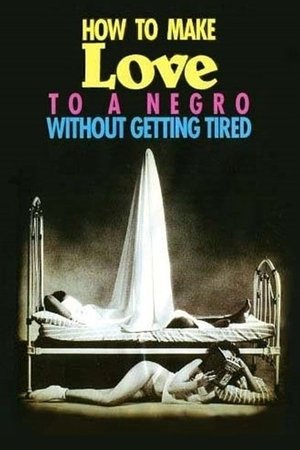
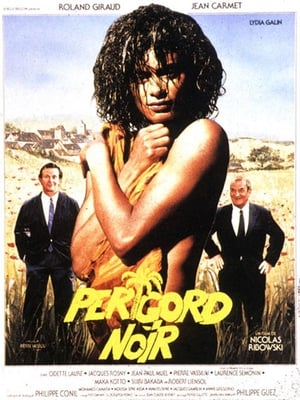
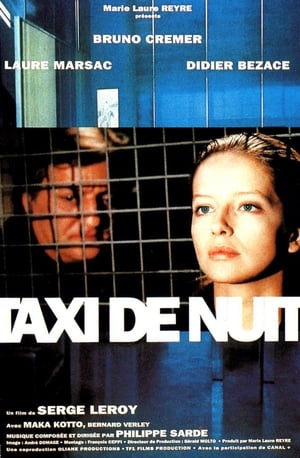
Maka Kotto (born December 7, 1961) is a Cameroonian-born Canadian politician. Educated in France, Kotto immigrated to Quebec, Canada, where he was an educator before entering politics. Kotto was a Parti Québécois member of the National Assembly of Quebec for the riding of Bourget. From 2012 to 2014, he served as the Minister of Culture and Communications. A former member of the House of Commons of Canada for the Bloc Québécois, Kotto is also a published author and has appeared in films. Kotto was born in Douala, Cameroon, and graduated from high school at Lycée Henri-Martin in Saint-Quentin, France. He studied law, politics, dramatic art and cinema in Nanterre, Bordeaux and Paris. Kotto immigrated to Quebec in 2006. Before becoming a politician, Kotto was an author, actor, and stage director. He appeared in the 1989 movie How to Make Love to a Negro Without Getting Tired (Comment faire l'amour avec un nègre sans se fatiguer), based on the novel by Dany Laferrière. He also appeared in a second film in 2000, Lumumba, starring as Joseph Kasa-Vubu. Kotto was also an educator in dramatic art for nearly 15 years in France and Quebec. Kotto was elected to the House of Commons of Canada, representing the Bloc Québécois in the 2004 Canadian federal election. In that election, he defeated incumbent Liberal MP Yolande Thibeault and five other candidates. Upon winning the Saint-Lambert riding, Kotto became the first black Canadian Member of Parliament for the Bloc. He was re-elected two years later, winning a comfortable, but reduced, popular vote and a much larger plurality in the 2006 Canadian federal election. He defeated five other candidates to win his second term in office. Kotto served as the Bloc's critic for Canadian heritage. On November 12, 2007, Kotto announced that he would be the candidate for the Parti Québécois in the provincial riding of Bourget in Montreal to fill a vacancy created by the resignation of former PQ house leader Diane Lemieux. It was his second attempt at provincial politics; he was defeated in his previous candidacy in Viau by former Liberal MNA William Cusano. Kotto resigned his seat in House of Commons of Canada on March 5, 2008, in order to run in the provincial by-election. His vacancy was officially recognized by the Speaker on March 13, 2008. On May 12, 2008, he won the Bourget by-election as a Parti Québécois candidate with 40% of the vote. With the election of the Parti Québécois on September 4, 2012, Kotto became Minister of Culture and Communications. Kotto was re-elected in the 2014 Quebec election with a smaller margin, but the Parti Québécois government of Pauline Marois was defeated and Kotto became a member of the Official Opposition caucus. He was defeated in the 2018 election. Kotto is the husband of former Longueuil mayor and Bloc Québécois caucus colleague Caroline St-Hilaire, and is the father of four children. Source: Article "Maka Kotto" from Wikipedia in English, licensed under CC-BY-SA 3.0.
Filmography