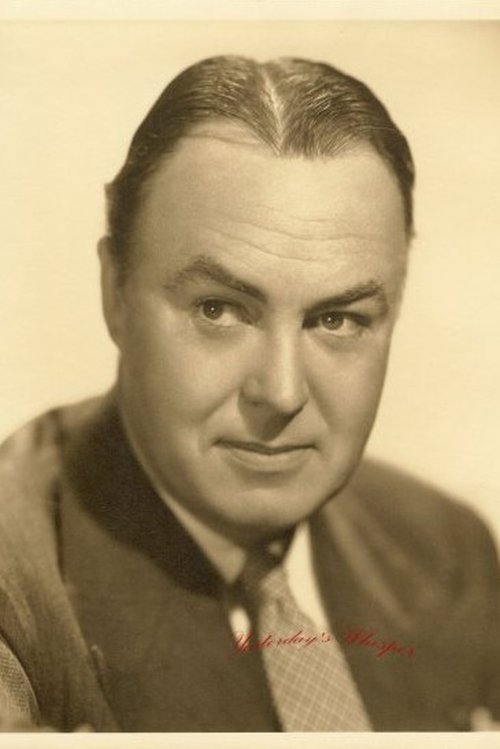
Gene Markey

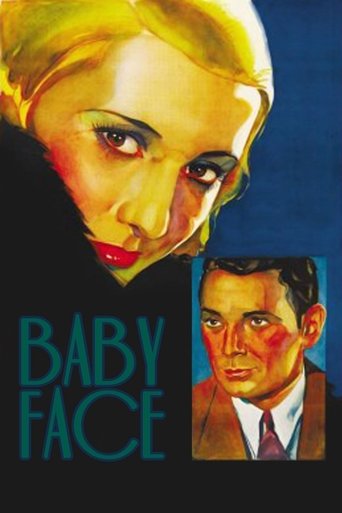 KNOWN FOR
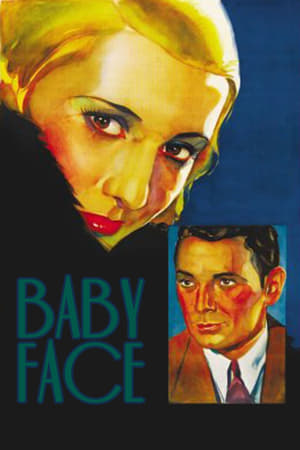
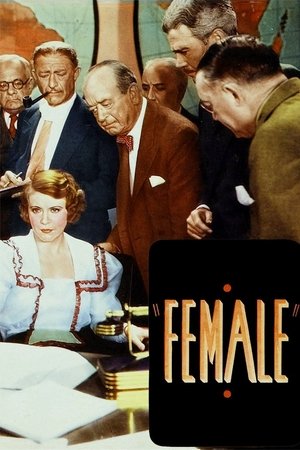
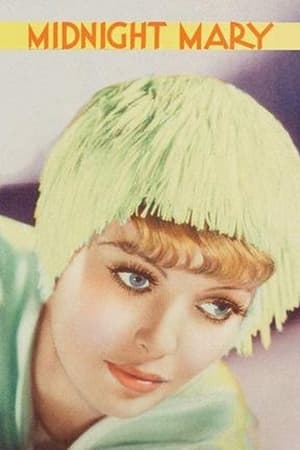
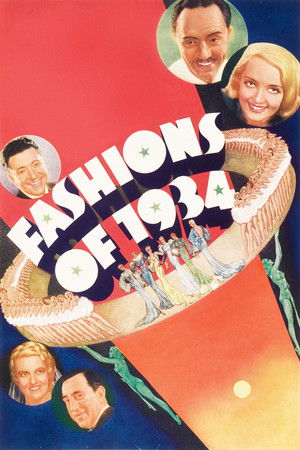
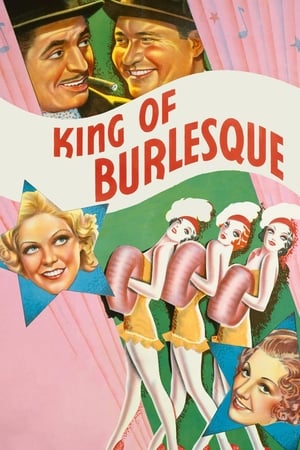
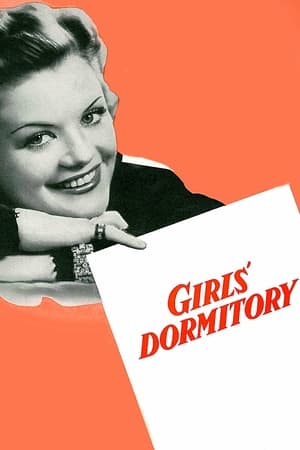
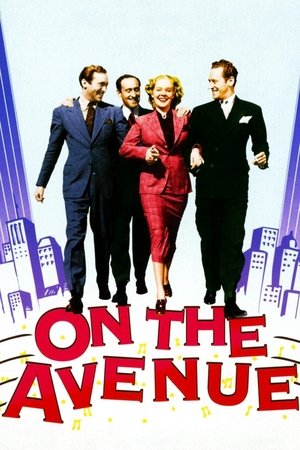
From Wikipedia, the free encyclopedia Eugene Willford "Gene" Markey (December 11, 1895 – May 1, 1980) was an American author, producer, screenwriter, and highly decorated naval officer. Early life Markey was born in Michigan in the year 1895. His father, Eugene Lawrence Markey, was a colonel in the United States Army. His uncle, Daniel P. Markey, had been Speaker of the Michigan House of Representatives. He graduated from Dartmouth College in 1918. Chicago He was a skilled sketch artist, which gained him entry, after World War I, into the Art Institute of Chicago starting in 1919 and finishing in 1920. There, he claimed to have "studied painting and learned nothing". After that, he worked as a journalist in Chicago for several newspapers and magazines, including Photoplay magazine. It was during the 1920s that Gene Markey first became a writer, specializing in novels about the Jazz Age. Among his titles were Anabel; Stepping High; Women, Women, Everywhere; and His Majesty's Pyjamas. His book "Literary Lights" (March 1923, Alfred A. Knopf, New York) was a collection of fifty of America's most important literary authors of the day. He personally sketched each caricature. Hollywood He went to Hollywood in 1929 and became a screenwriter for Twentieth Century Fox. His screen credits included King of Burlesque (1936) starring Alice Faye, Girls' Dormitory (1936) featuring Herbert Marshall, and On the Avenue (1937), starring Dick Powell, Madeleine Carroll, and Alice Faye. He was also the producer of the 1937 Shirley Temple film, Wee Willie Winkie, among others. Although he was not overly handsome, he was a very skilled conversationalist and he quickly became a popular fixture in Hollywood society. Among his good friends in Hollywood were producer John Hay Whitney, composer Irving Berlin, and actors Douglas Fairbanks Jr., Ward Bond and John Wayne. He would often go fishing with Bond and Wayne off Catalina Island. A 1946 article in the Washington Times Herald said, "Other Men Say: What's Gene Markey Got That We Haven't Got?" The article ran a photo of Rudolph Valentino with the caption, "NOT SO HOT – By Comparison. Though all American womanhood swooned over him in his day, Rudolph Valentino was no Markey." Soon after he arrived in Hollywood in 1929, it was also reported that, "Markey became the most sought after unattached man in the cinema firmament, so sprinkled with far handsomer, richer male stars." Markey was married three times to prominent film actresses. His first wife was Joan Bennett, from 1932 to 1937 (which produced a daughter, Melinda, in 1934). He was married to Hedy Lamarr from 1939 to 1940 and to Myrna Loy from 1946 to 1950. At first, Loy claimed mental cruelty, but later retracted it, saying, "He could make a scrubwoman think she was a queen and he could make a queen think she was the queen of queens." More information can be found at Wikipedia.
Filmography