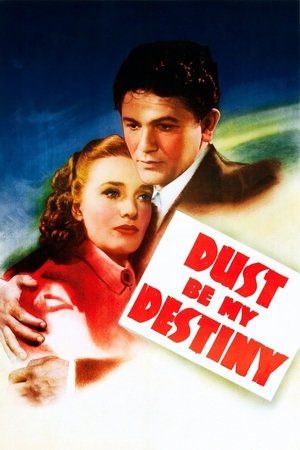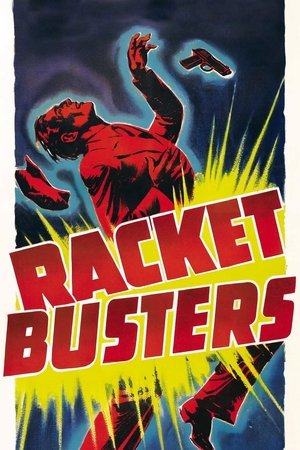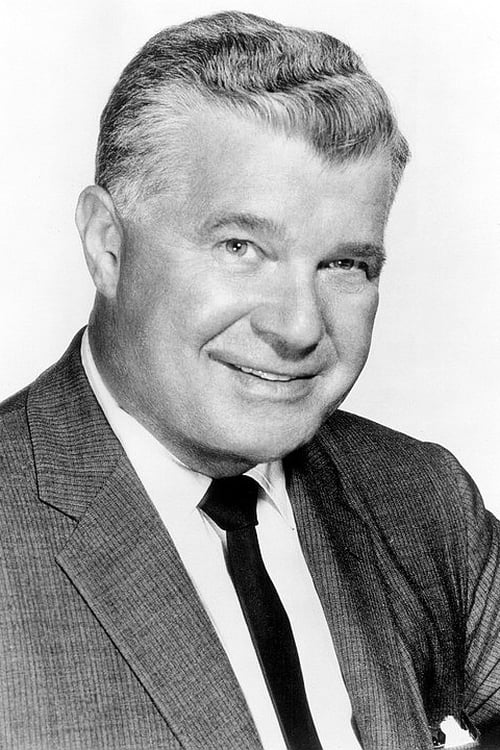
Robert Rossen






 KNOWN FOR
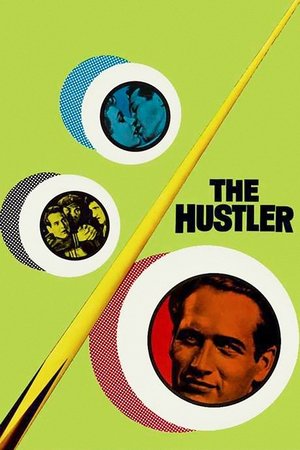
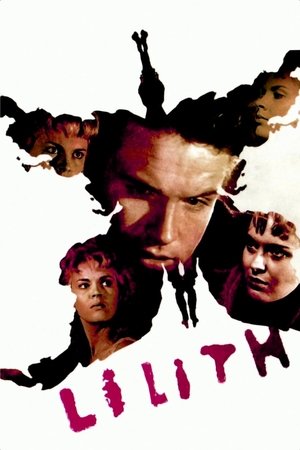
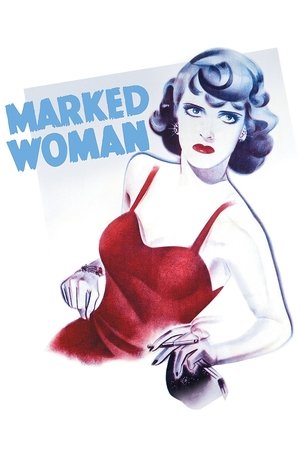
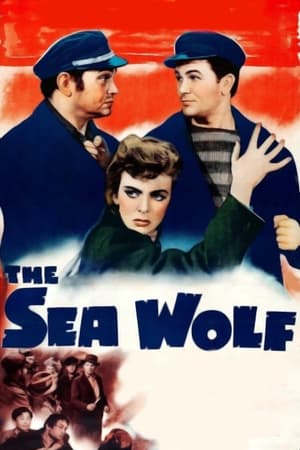
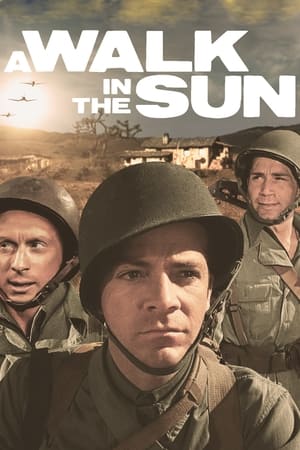
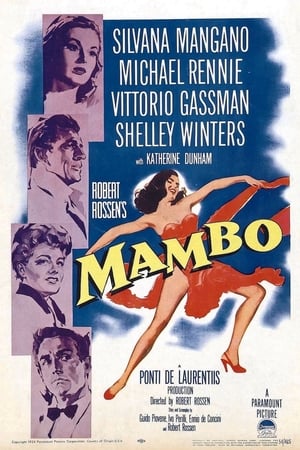
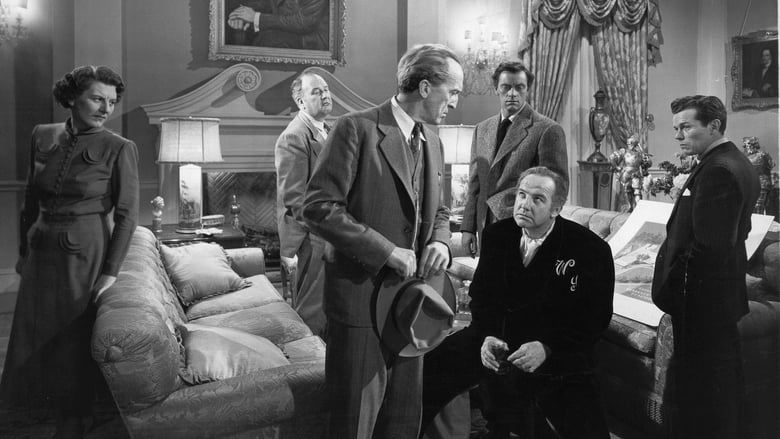
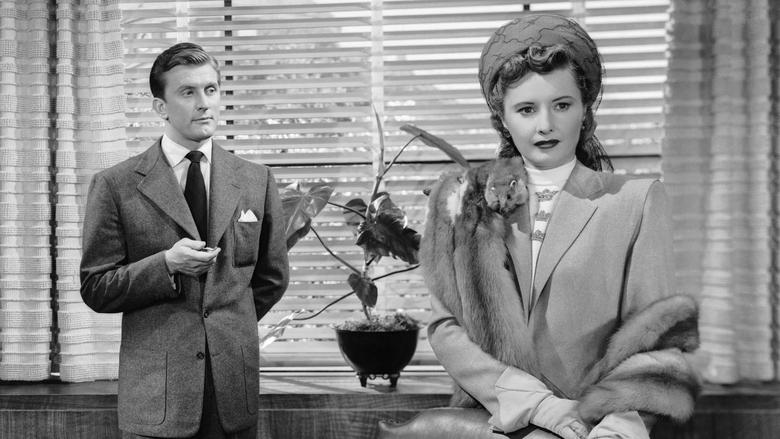
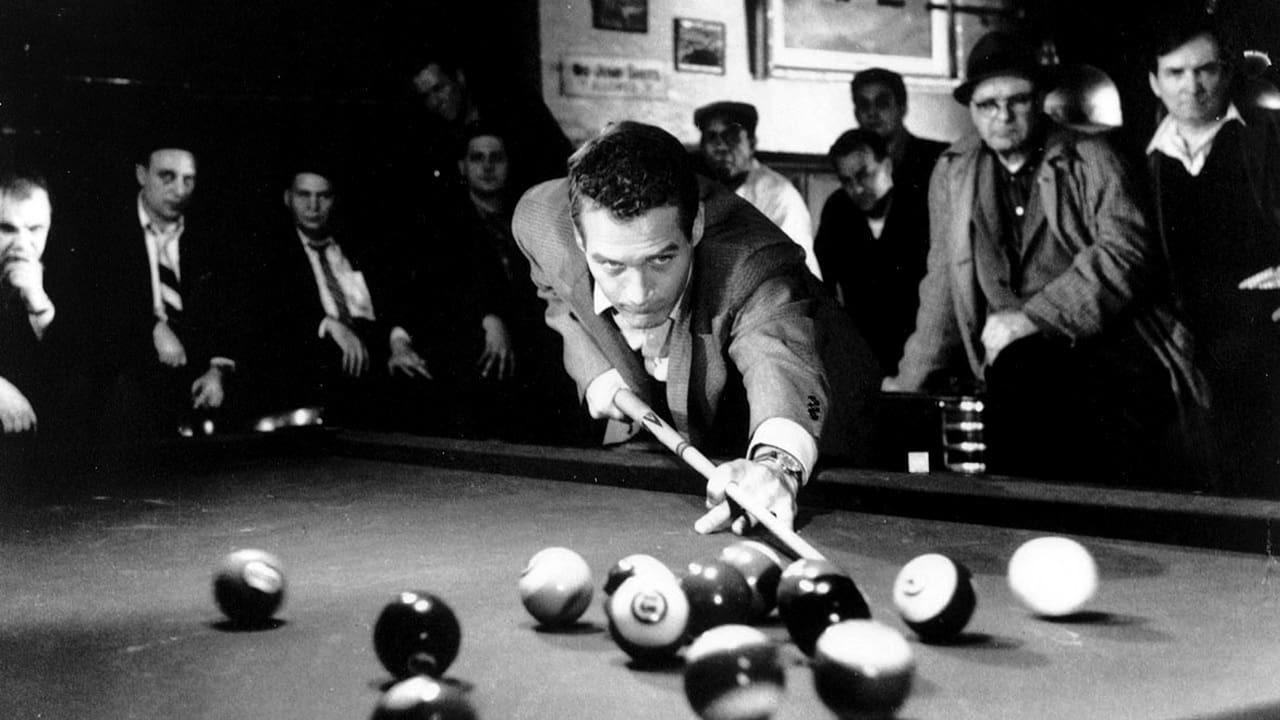
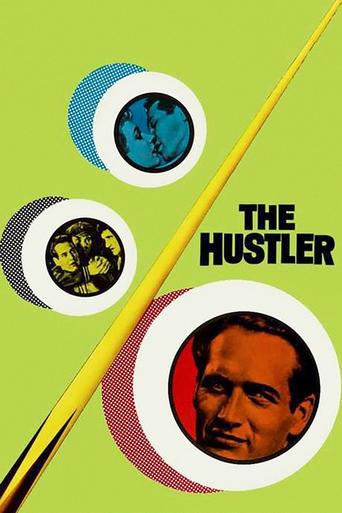
Robert Rossen (March 16, 1908 – February 18, 1966) was an American screenwriter, film director, and producer whose film career spanned almost three decades. His 1949 film All the King's Men won Oscars for Best Actor and Best Supporting Actress, while Rossen was nominated for an Oscar as Best Director. He won the Golden Globe for Best Director and the film won the Golden Globe Award for Best Picture. In 1961 he made The Hustler, which was nominated for nine Oscars and won two. Rossen was nominated as Best Director and with Sidney Carroll for Best Adapted Screenplay but did not win either award. After directing and writing for the stage in New York, Rossen moved to Hollywood in 1937. There he worked as a screenwriter for Warner Bros. until 1941, and then interrupted his career to serve until 1944 as the chairman of the Hollywood Writers Mobilization Against the War, a body to organize writers for the effort in World War II. In 1945 he joined a picket line against Warner Bros., making an enemy of Jack Warner. After making one film for Hal Wallis's new-formed production company, Rossen made one for Columbia Pictures, another for Wallis and most of his later films for his own companies, usually in collaboration with Columbia. Rossen was a member of the American Communist Party from 1937 to about 1947, and believed the Party was "dedicated to social causes of the sort that we as poor Jews from New York were interested in." However, he finally ended all relations with the Party in 1949. Rossen was twice called before the House Un-American Activities Committee (HUAC), in 1951 and in 1953. He exercised his Fifth Amendment rights at his first appearance, refusing to state whether he had ever been a Communist. As a result he was unofficially blacklisted by the Hollywood studio bosses, and he was unable to renew his passport. At his second appearance he named 57 people as current or former Communists and was removed from the unofficial blacklist. After this, he had to produce his next film, Mambo, in Italy in 1954 to repair his finances. While The Hustler in 1961 was a great success, conflict with the star of Lilith so disillusioned Rossen that he made no more films during the last three years of his life. Rossen's films for Warner generally described the conditions of working people, the portrayal of gangsters and racketeers, and opposition to fascism. He wrote that ambition and the desire for success were common themes in his work. His films often featured strong female characters. All Rossen's playscripts were adaptions except three which were based on real events. While head of production at Warner, Wallis considered that some of his best films were written by Rossen. Description above from the Wikipedia article Robert Rossen, licensed under CC-BY-SA, full list of contributors on Wikipedia.
Filmography