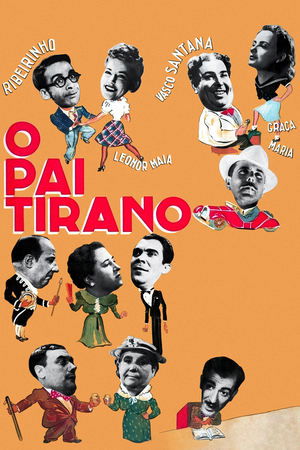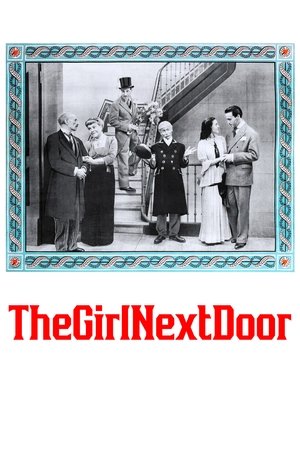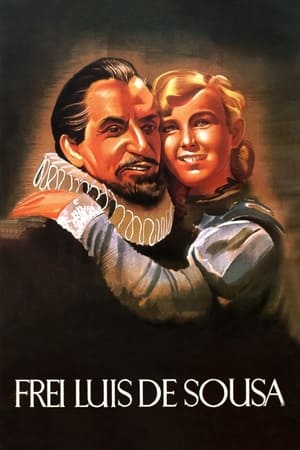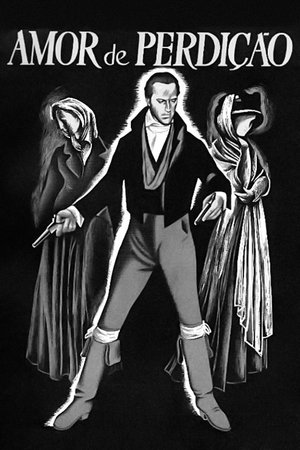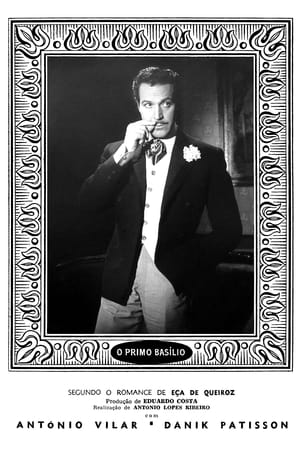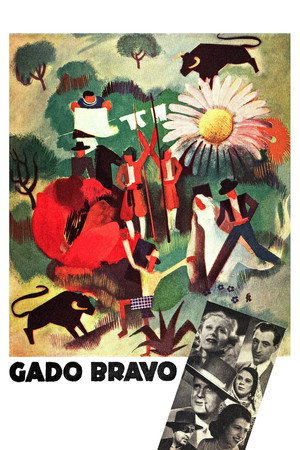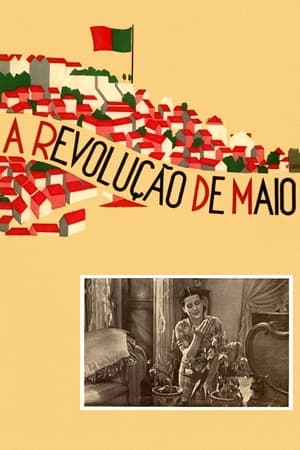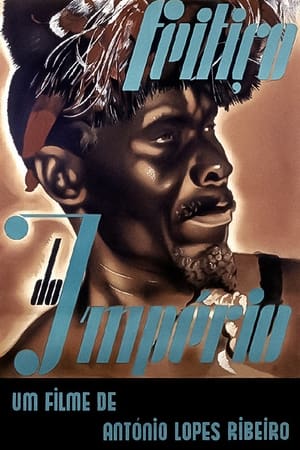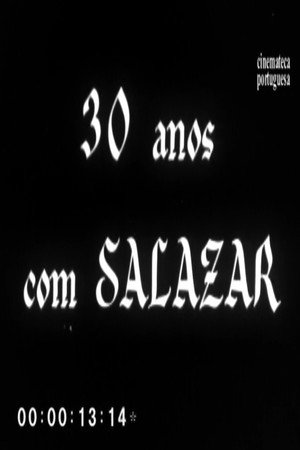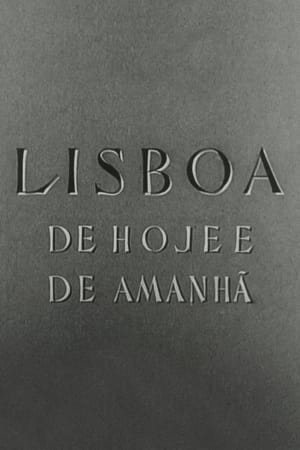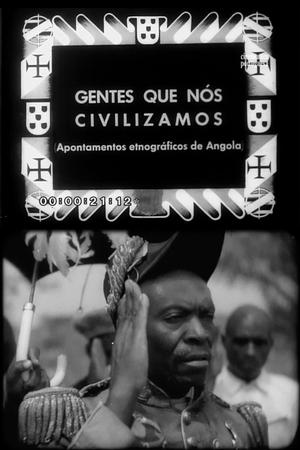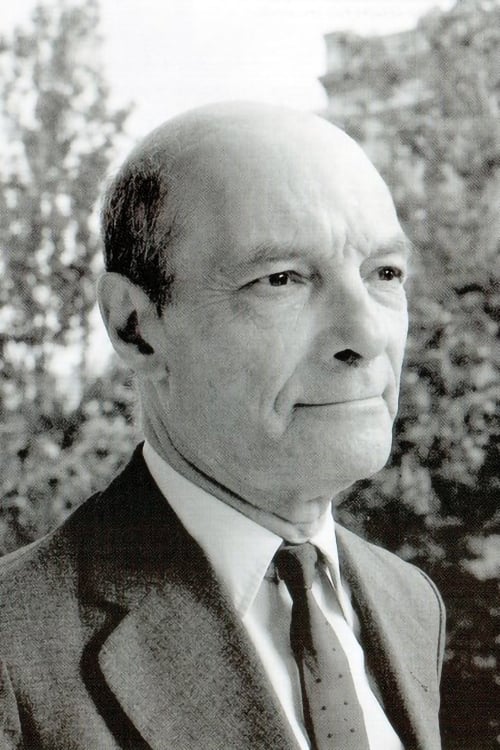
Director, journalist, and producer, António Lopes Ribeiro (1908-1995) was a central name in the history of Portuguese cinema in the first half of the 20th century. Movie critic since the late 1920s, he supported the European cinematographic avant-gardes and the aesthetical and technical renewal of Portuguese cinema. He directed his first film, Bailando ao sol, in 1928 and took part in the shooting of J. Leitão de Barros film’s Nazaré, praia de pescadores (1929), Lisboa, Crónica Anedótica and Maria do Mar (1930). Shortly before that, he undertook a long journey to the great movie studios of Paris, Berlin and Moscow, where he became up to speed with the most recent techniques and tendencies, and where he also met Clair, Renoir, Lang, Pabst, Eisenstein and Vertov. His first sound film was Gado Bravo (1934), made with several Jewish film actors and technicians that had just escaped from Hitler’s Germany. Ribeiro’s first big propaganda film for the New State was A Revolução de Maio (The May Revolution, 1937), whose script he wrote with António Ferro, the founder and director of the Secretariado da Propaganda Nacional (National Propaganda Office/SPN). The following year, he accompanied the head of the state, President Óscar Carmona, in a trip to the Portuguese colonies in Africa, shooting topical footage that would be used in several documentaries, as well as in his second propaganda feature film, Feitiço do Império (1940). Also in 1938, Ribeiro began producing for SPN the New State’s first newsreel, Jornal Português, which would last until 1951. With his production and distribution company Sociedade Portuguesa de Actualidades Cinematográficas (SPAC), he produced and directed many propaganda documentaries commissioned by the New State, thus earning the reputation of the regime’s official filmmaker and reinforcing his influence in the State-sponsored Sindicato Nacional dos Profissionais de Cinema (National Union of Cinema Professionals). In 1941, he founded Produções António Lopes Ribeiro, a production company that released famous comedies such as O Pai Tirano (1941), O Pátio das Cantigas (1942, directed by his brother, Francisco Ribeiro), or A Vizinha do Lado (1945); Manoel de Oliveira’s first feature film, Aniki-Bóbó (1942); or historical dramas such as Amor de Perdição (1943), Frei Luis de Sousa (1950) and O Primo Basílio (1959). Until 1974, Ribeiro produced or directed dozens of propaganda documentaries and newsreels. Between 1957 and 1974 he was also the author and host of a very popular TV show about the history of cinema titled “O Museu do Cinema” (“The Cinema Museum”).
Filmography