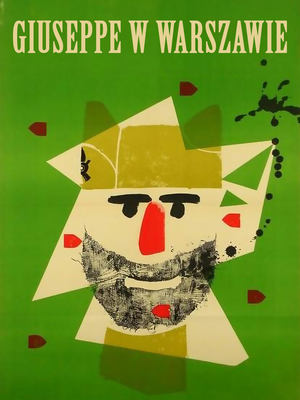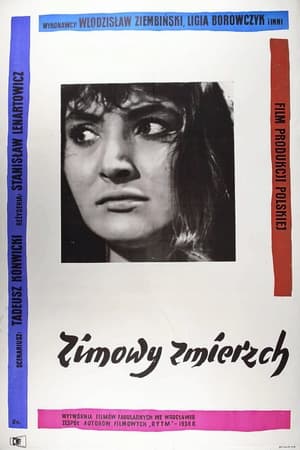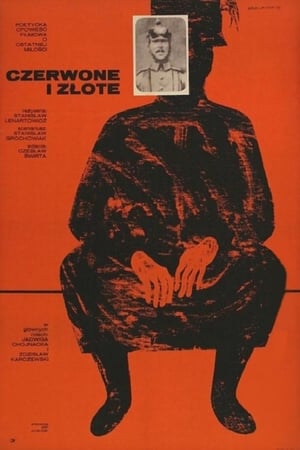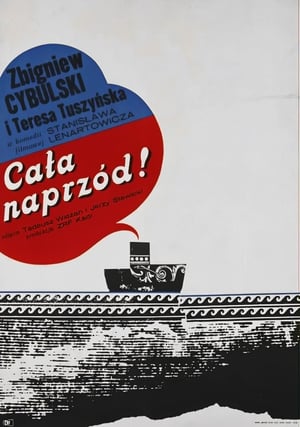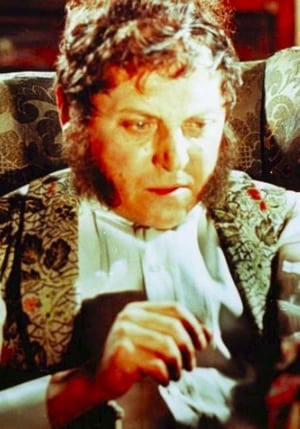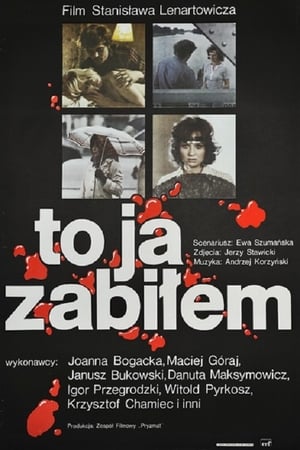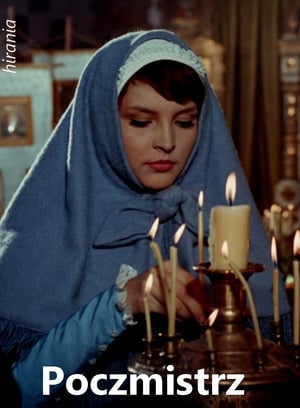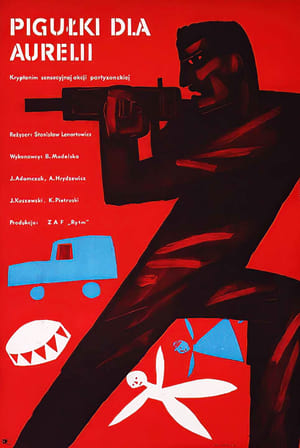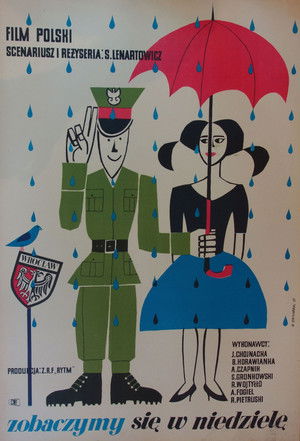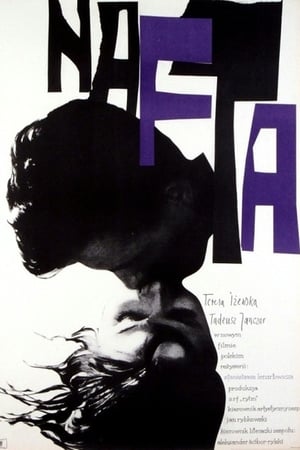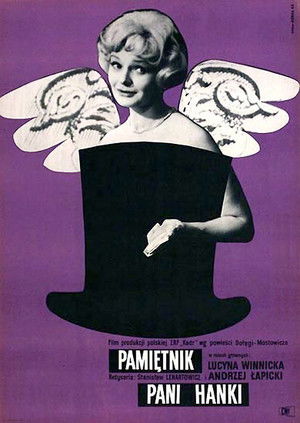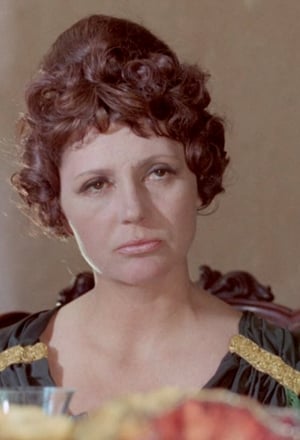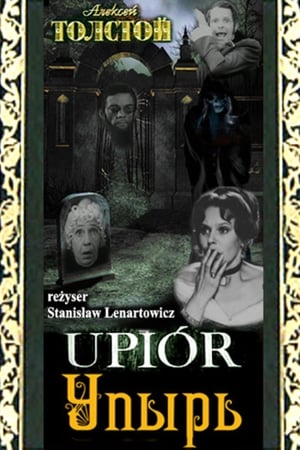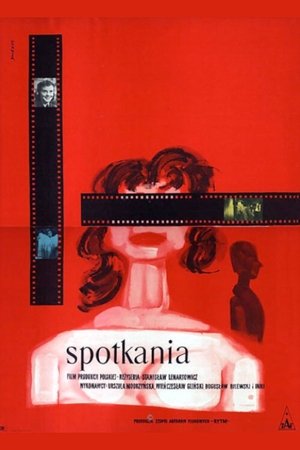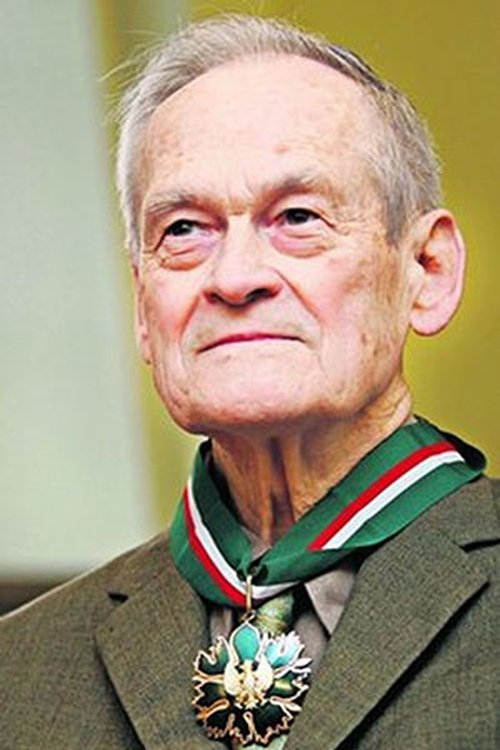
Stanislaw Lenartowicz was a Polish film director and screenwriter. He was born on February 7, 1921, in Dzianowo in the Vilnius region. During the war, he was a soldier of the Home Army, then a prisoner of the Kaluga camp in Russia. Following repatriation in 1946, he settled in Wrocław. He graduated from the Faculty of Philology of the University of Wroclaw and the Directing Department of Łódź Film School (1953), where his supervisor was Antoni Bohdziewicz. He began directing films for the Educational Film Studio in Łódź, with which he cooperated in 1952-1955. It was there that he made Miniatury Kodeksu Behema/The Behem Code Miniatures (1953), awarded the Special Award at the Oberhausen festival five years later. Later, he adapted the novel by Stanisław Dygat as part of the film Trzy starty/Three Takeoffs (1955). His film debut, Zimowy zmierzch/Winter Dusk (1956), sparked violent disputes and polemics among Polish film critics; on the backdrop of the socialist realist poetics of that era, the film stood out with its innovative narrative and visual layers rich in meanings. His subsequent films, Pigułki dla Aurelii/Pills for Aurelia (1958) and Giuseppe w Warszawie/Giuseppe in Warsaw (1964), addressed the subject of war, but presented it in a way stripped of heroism. He also depicted the forgotten world of the Polish provinces, focusing on observations of detail and mentality (Czerwone i złote/Red and Gold, 1969, based on writings by Stanisław Grochowiak, an award at the Valladolid festival). He addressed the maritime theme twice: in Cała naprzód/Full Steam Ahead (1966) and Martwa fala/ Still Wave (1970). He also attempted to adapt the prose of Tadeusz Dołęga-Mostowicz in Pamiętnik pani Hanki/The Diary of Mrs. Hanka (1963). On the set, he gladly collaborated with Zbigniew Cybulski. Lenartowicz’s interest in Russian culture is reflected in the television series he directed which are adaptations of classic Russian novels. They were made at the request of Canadian television in the late 1960s. These include the movies Brawler (based on Turgenev), Phantom (Tolstoy), Postmaster (Pushkin) completed in 1967. In 1979, he directed Strachy/Spooks, a series based on the prose of Maria Ukniewska, about the life of Warsaw actors. After the introduction of martial law, he retired from the profession. In 1959, he received the Award of the City of Wroclaw; a year later, he was also awarded the Gold Cross of Merit. At the end of his life, he was awarded the Gold Medal for Merit to Culture – Gloria Artis. He died on October 28, 2010, in Wrocław. by Beata Pieńkowska From Polish Film Academy - History of Polish Cinema http://akademiapolskiegofilmu.pl/en/historia-polskiego-filmu/directors/stanislaw-lenartowicz/65
Filmography