Anton Chekhov
Known for Writing
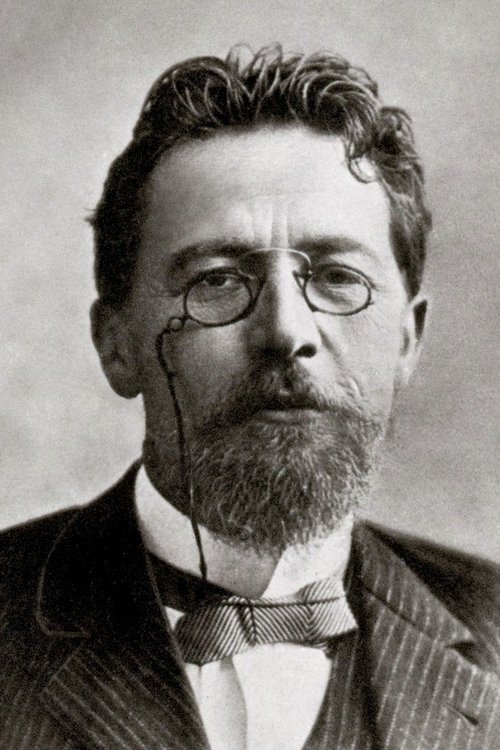
Anton Pavlovich Chekhov (1860 – 1904) was a Russian playwright and writer, whose plays received international acclaim, and who as a short-story writer is still regarded as virtually unmatched. Along with Henrik Ibsen and August Strindberg, Chekhov is often referred to as one of the three seminal figures in the birth of early modernism in the theatre. Chekhov was a physician by profession. "Medicine is my lawful wife", he once said, "and literature is my mistress." The son of a former serf, Chekhov started out supporting his family by writing popular comic sketches as a medicine student. While practicing as a doctor, he produced his first full-length play, Ivanov (1887). He took up serious themes with stories such as “The Steppe” (1888) and “A Dreary Story” (1889); later stories include “Ward Number Six” (1892), “The Black Monk” (1894) and “The Lady with the Dog” (1899). His play The Seagull (1896) was badly received until its successful revival in 1899 by Konstantin Stanislavsky and the Moscow Art Theatre. After this he converted his earlier work The Wood Demon (1889) into the universally acclaimed play Uncle Vanya (1897). To nurse his eventually fatal tuberculosis he moved to the Crimea, where he wrote his famous last plays, Three Sisters (1901) and The Cherry Orchard (1904).
Filmography
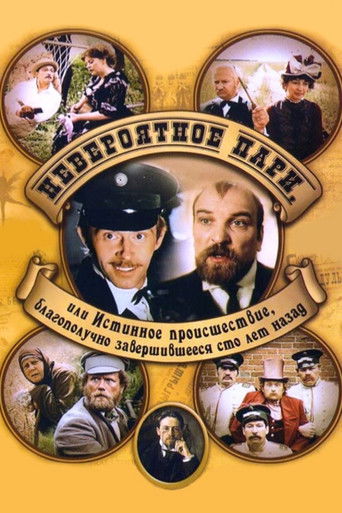
Incredible Bet, or True Event That Ended Happily Hundred Years Ago
1984
Short Story
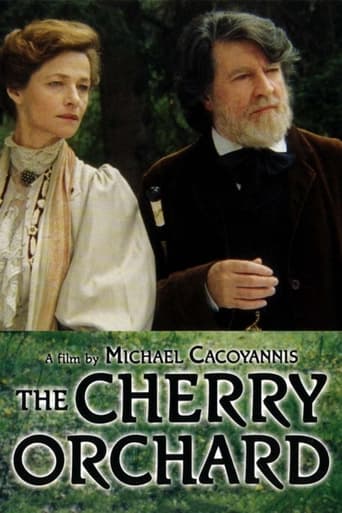
The Cherry Orchard
1999
Theatre Play
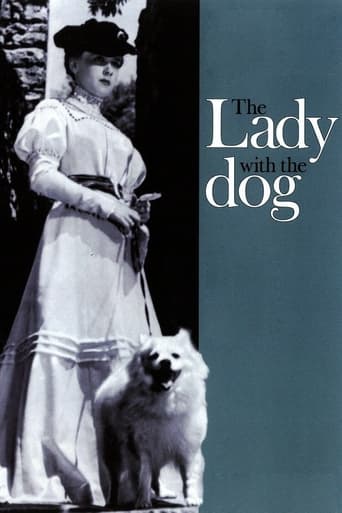
Lady with the Dog
1960
Novel
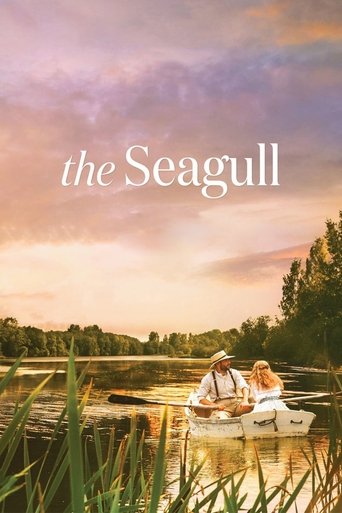
The Seagull
2018
Theatre Play
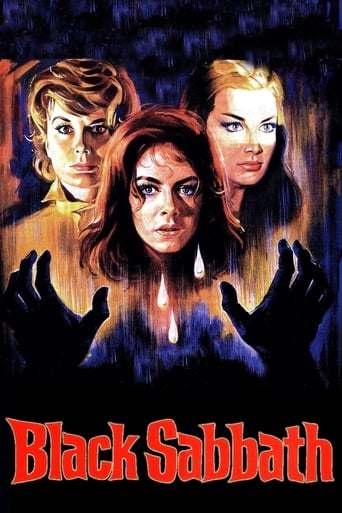
Black Sabbath
1963
Novel
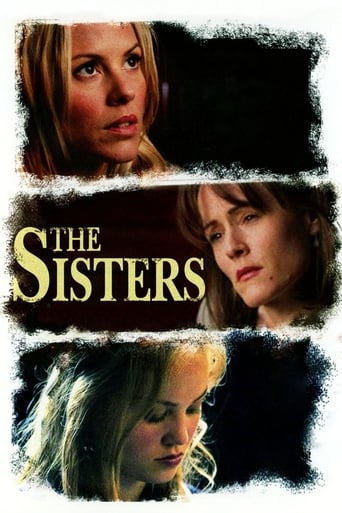
The Sisters
2005
Original Story
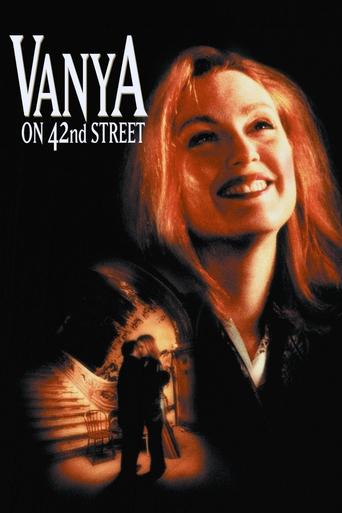
Vanya on 42nd Street
1994
Theatre Play
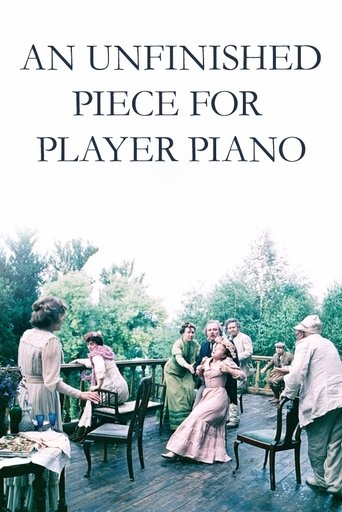
An Unfinished Piece for Player Piano
1977
Theatre Play

Anton Chekhov's The Duel
2010
Novel
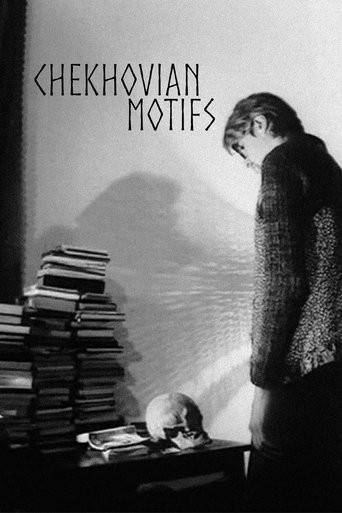
Chekhovian Motifs
2002
Short Story
Chekhovian Motifs
2002
Theatre Play
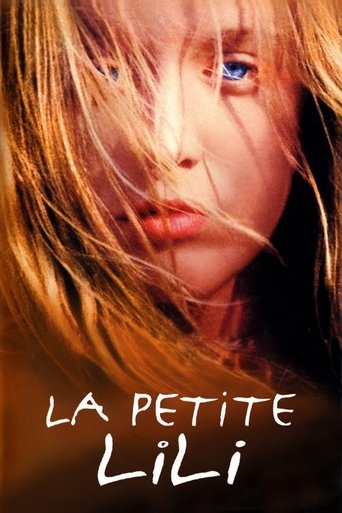
Little Lili
2003
Original Story

All Forgotten
2001
Novel
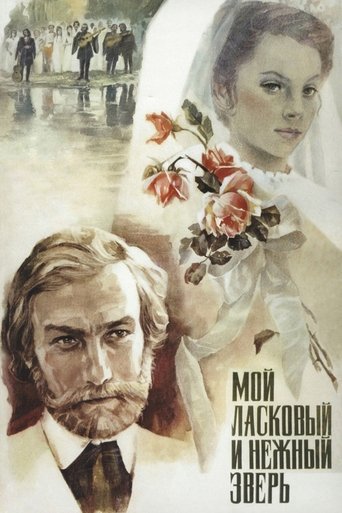
My Tender and Affectionate Beast
1978
Novel
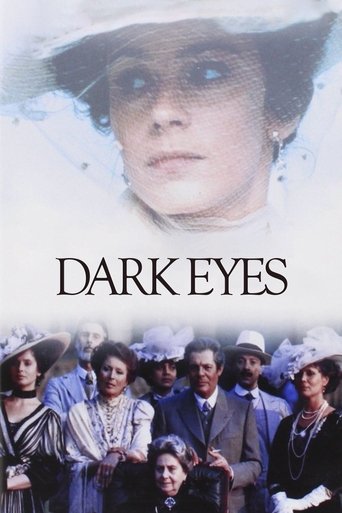
Dark Eyes
1987
Short Story
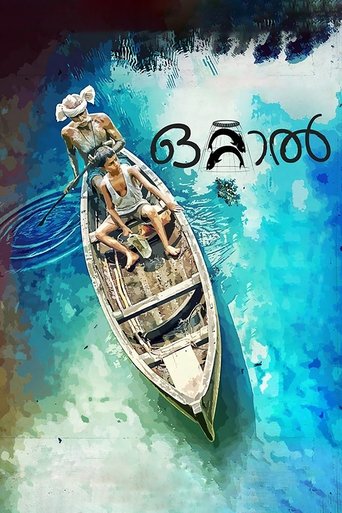
Ottaal
2014
Short Story
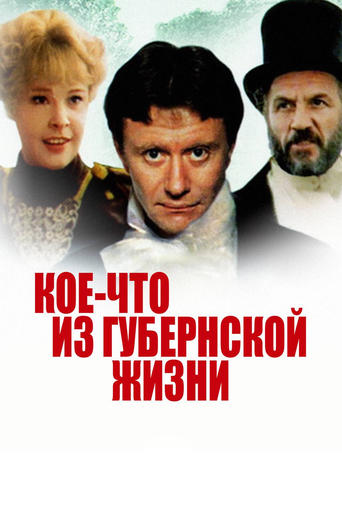
Koe-chto iz Gubernskoy Zhizni
1983
Short Story
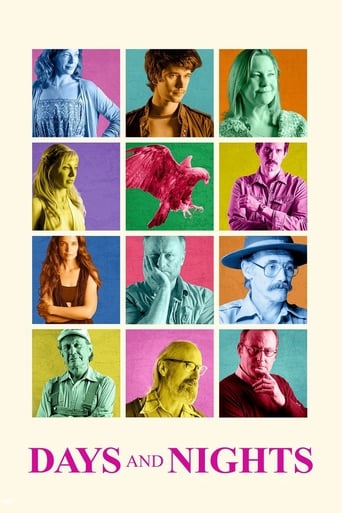
Days and Nights
2014
Story
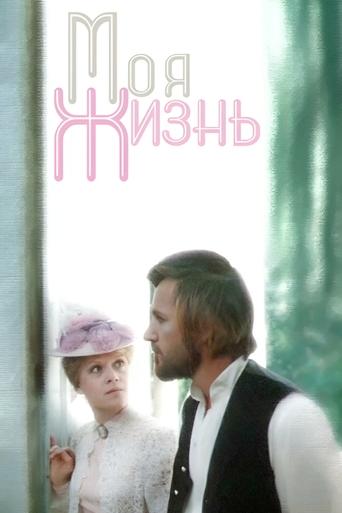
My Life
1972
Novel
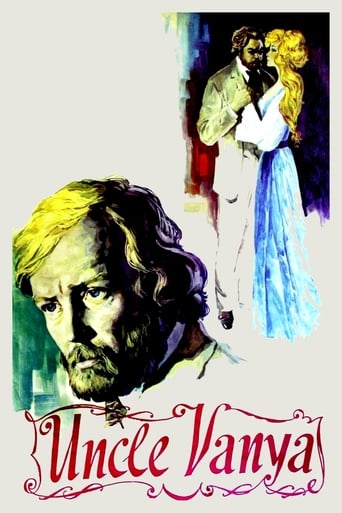
Uncle Vanya
1970
Theatre Play