Damon Runyon
Known for Writing
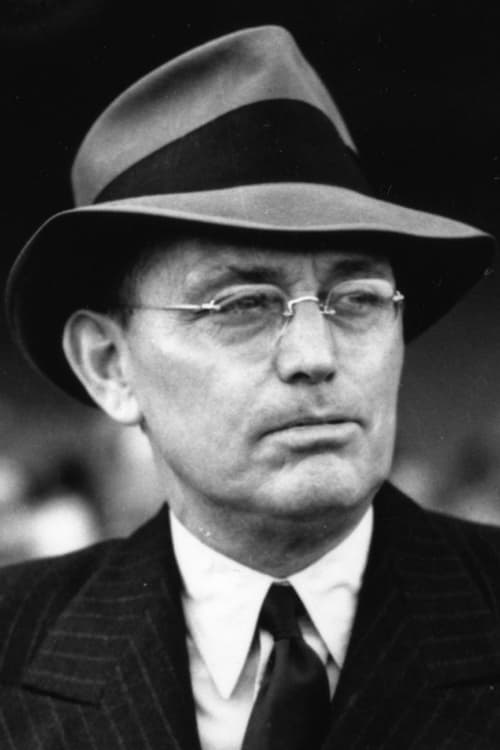
From Wikipedia, the free encyclopedia Alfred Damon Runyon (October 4, 1880 – December 10, 1946) was an American newspaperman and short-story writer. He was best known for his short stories celebrating the world of Broadway in New York City that grew out of the Prohibition era. To New Yorkers of his generation, a "Damon Runyon character" evoked a distinctive social type from the Brooklyn or Midtown demi-monde. The adjective "Runyonesque" refers to this type of character as well as to the type of situations and dialog that Runyon depicted. He spun humorous and sentimental tales of gamblers, hustlers, actors, and gangsters, few of whom go by "square" names, preferring instead colorful monikers such as "Nathan Detroit", "Benny Southstreet", "Big Jule", "Harry the Horse", "Good Time Charley", "Dave the Dude", or "The Seldom Seen Kid". His distinctive vernacular style is known as "Runyonese": a mixture of formal speech and colorful slang, almost always in present tense, and always devoid of contractions. He is credited with coining the phrase "Hooray Henry", a term now used in British English to describe an upper-class, loud-mouthed, arrogant twit. Runyon's fictional world is also known to the general public through the musical Guys and Dolls based on two of his stories, "The Idyll of Miss Sarah Brown" and "Blood Pressure". The musical additionally borrows characters and story elements from a few other Runyon stories, most notably "Pick The Winner". The film Little Miss Marker (and its two remakes, Sorrowful Jones and the 1980 Little Miss Marker) grew from his short story of the same name. Runyon was also a well-known newspaper reporter, covering sports and general news for decades for various publications and syndicates owned by William Randolph Hearst. Already famous for his fiction, he wrote a well-remembered "present tense" article on Franklin Delano Roosevelt's Presidential inauguration in 1933 for the Universal Service, a Hearst syndicate, which was merged with the co-owned International News Service in 1937.
Filmography
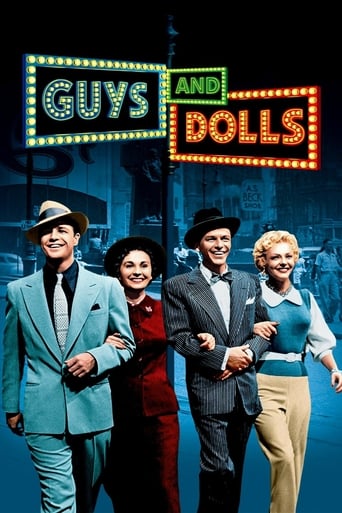
Guys and Dolls
1955
Story

Little Miss Marker
1980
Story
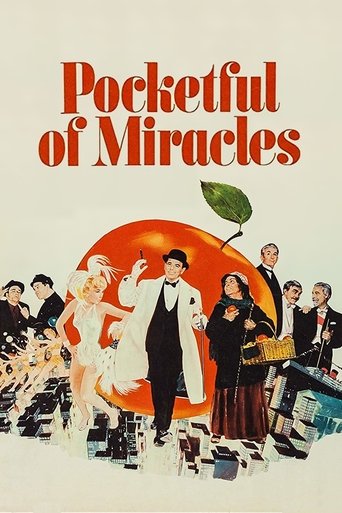
Pocketful of Miracles
1961
Story
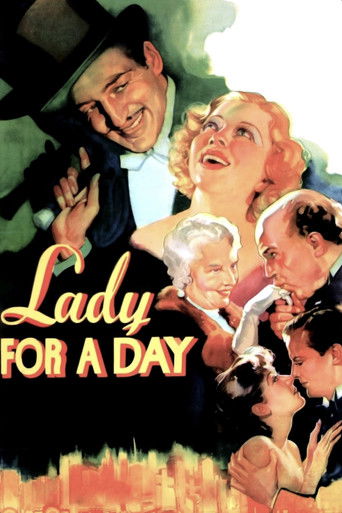
Lady for a Day
1933
Story

A Slight Case of Murder
1938
Theatre Play
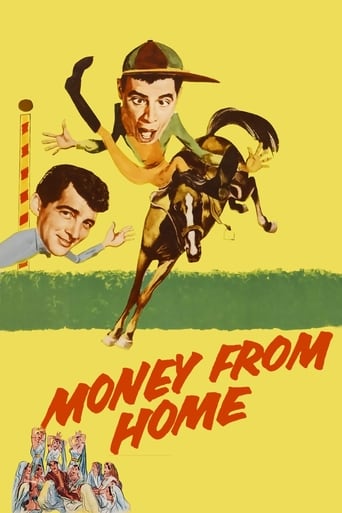
Money from Home
1953
Story
Bloodhounds of Broadway
1989
Writer
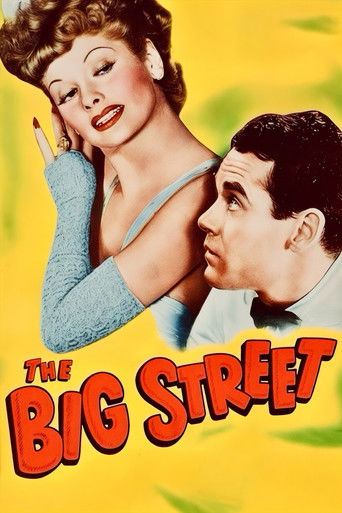
The Big Street
1942
Story
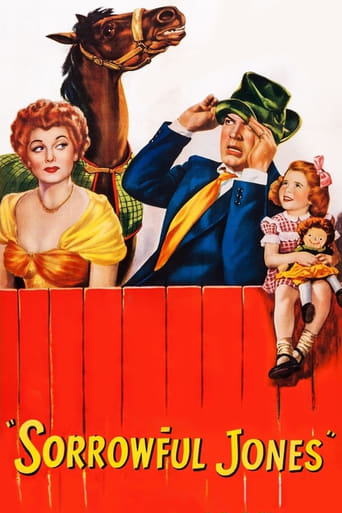
Sorrowful Jones
1949
Story
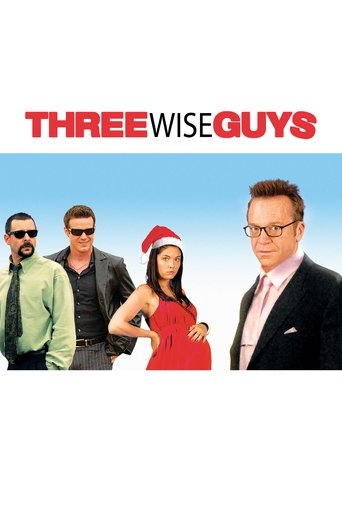
Three Wise Guys
2005
Writer
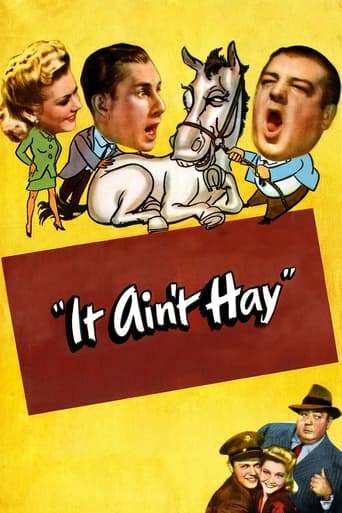
It Ain't Hay
1943
Story
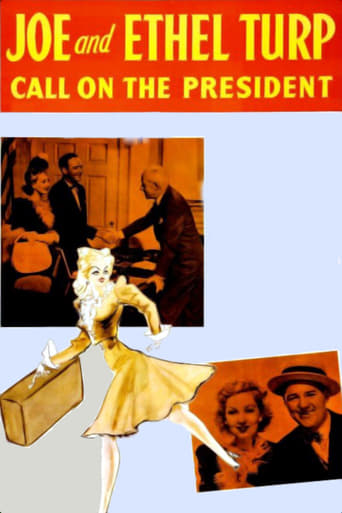
Joe and Ethel Turp Call on the President
1939
Story
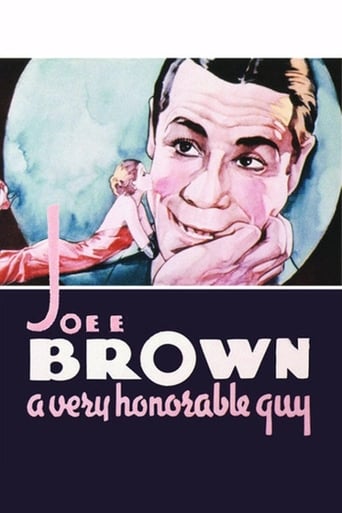
A Very Honorable Guy
1934
Original Story
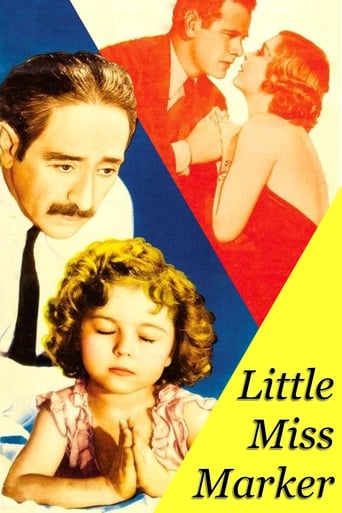
Little Miss Marker
1934
Story
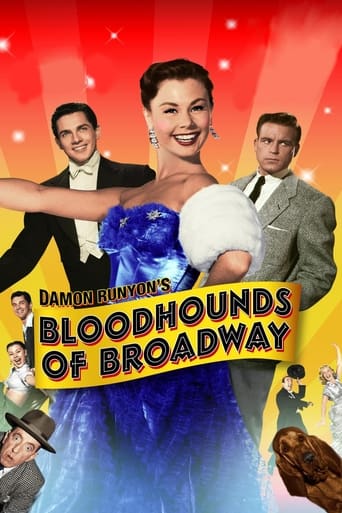
Bloodhounds of Broadway
1952
Writer
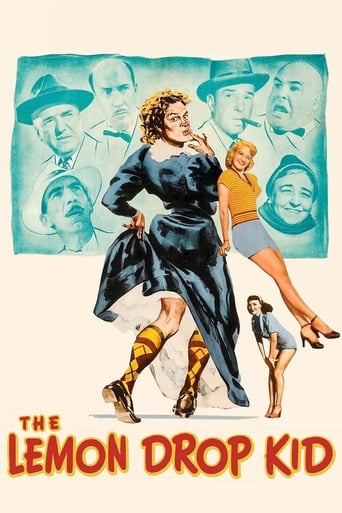
The Lemon Drop Kid
1951
Short Story
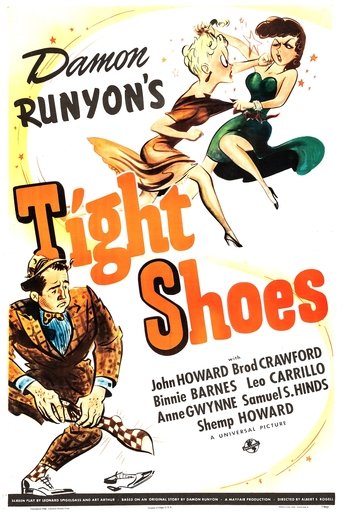
Tight Shoes
1941
Story

Professional Soldier
1935
Story
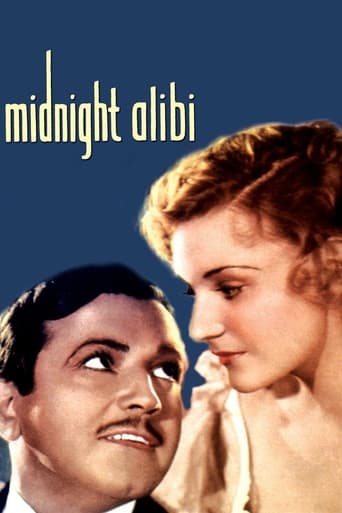
Midnight Alibi
1934
Story
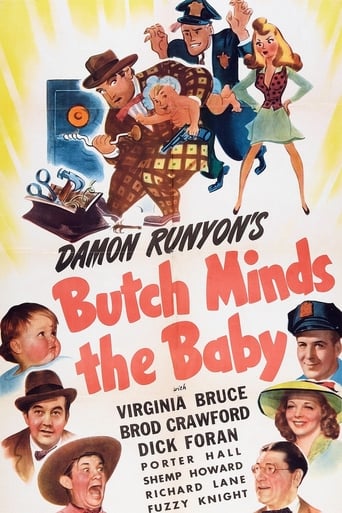
Butch Minds the Baby
1942
Story