Zoë Akins
Known for Writing

Biography
Zoë Akins (October 30, 1886 – October 29, 1958) was a Pulitzer Prize-winning American playwright, poet, and author. In the early 1930s, she became more active in film, writing several screenplays as well as licensing minor adaptations of her work—such as The Greeks Had a Word for It which was adapted twice, in 1932 (as The Greeks Had a Word for Them) and 1938 (as Three Blind Mice) – neither was a hit. Two highlights of this period are the films Sarah and Son (1930) and Morning Glory (1933), the latter film remade as Stage Struck. While both films earned their respective female leads (Ruth Chatterton and Katharine Hepburn) Academy Award nominations, neither was enough to launch her career. She finally received recognition in 1935 when she was awarded the Pulitzer Prize for Drama for her dramatization of Edith Wharton's The Old Maid, a melodrama set in New York City and written in five episodes stretching across time from 1839 to 1854. A film version of The Old Maid followed in 1939, starring Bette Davis. She also adapted the Alexandre Dumas novel, La dame aux camélias, into the film Camille in 1936. The film starred Greta Garbo, Robert Taylor, and Lionel Barrymore, and earned Garbo her third Oscar nomination. To her surprise, she was thrust into notoriety again in 1953, when Jean Negulesco directed an adaptation of The Greeks Had a Word for It. The film, titled How to Marry a Millionaire, became a box office sensation and helped launch the career of its star, Marilyn Monroe. Monroe's role in the Akins' play helped the rising star become a cultural icon, and encouraged Akins to pursue a short stint as a writer for several television variety programs. From Wikipedia
Filmography

How to Marry a Millionaire
1953
Theatre Play
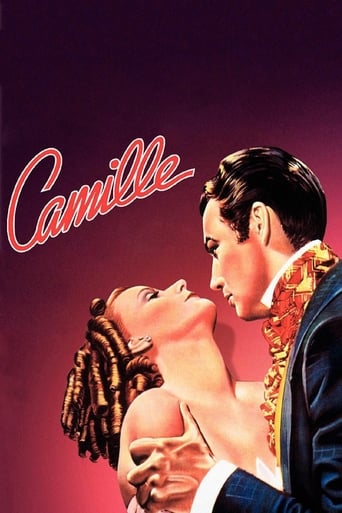
Camille
1936
Screenplay
Working Girls
1931
Screenplay
Desire Me
1947
Screenplay
Once a Lady
1931
Writer
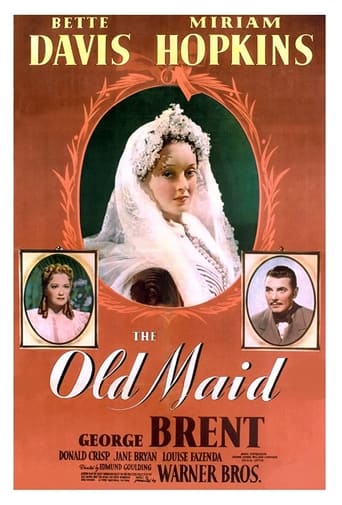
The Old Maid
1939
Theatre Play
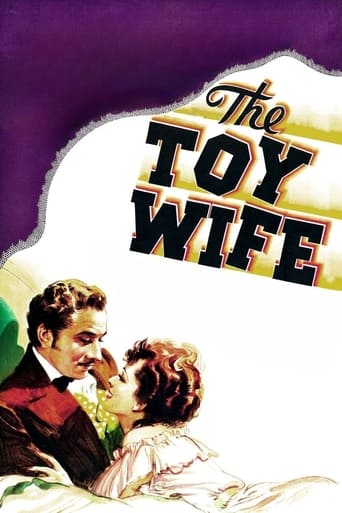
The Toy Wife
1938
Screenplay

Stage Struck
1958
Theatre Play
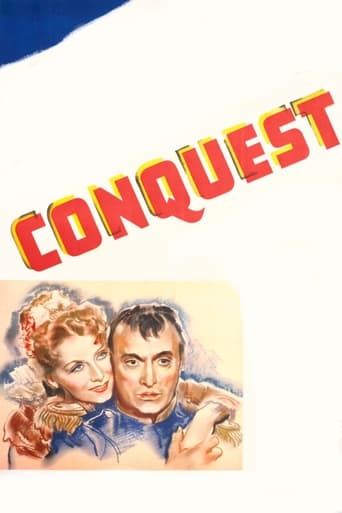
Conquest
1937
Writer
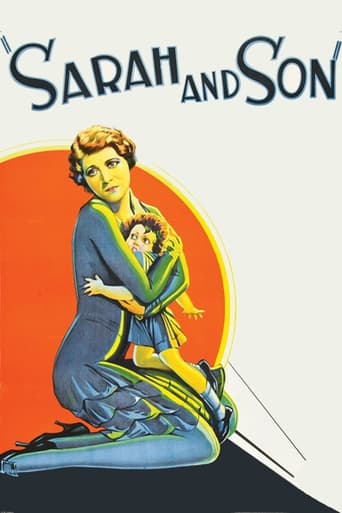
Sarah and Son
1930
Adaptation
Sarah and Son
1930
Screenplay
Sarah and Son
1930
Dialogue
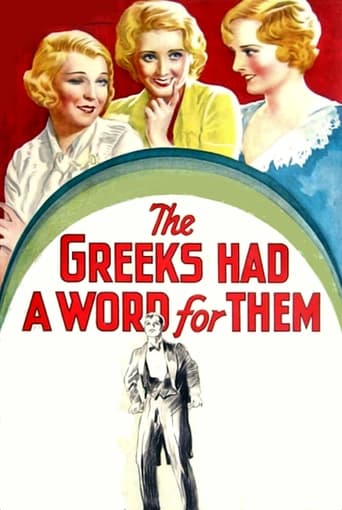
The Greeks Had a Word for Them
1932
Theatre Play
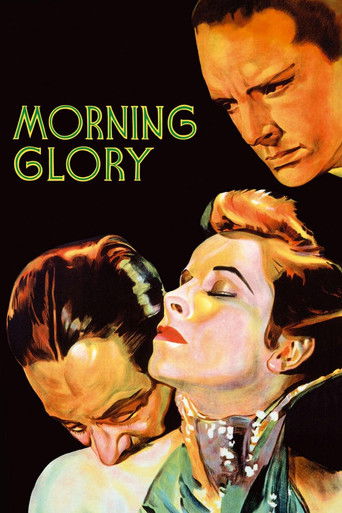
Morning Glory
1933
Theatre Play
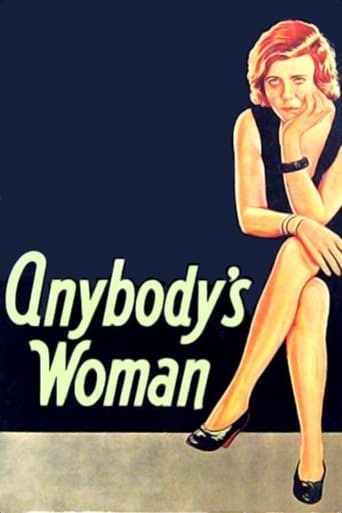
Anybody's Woman
1930
Writer
Anybody's Woman
1930
Dialogue
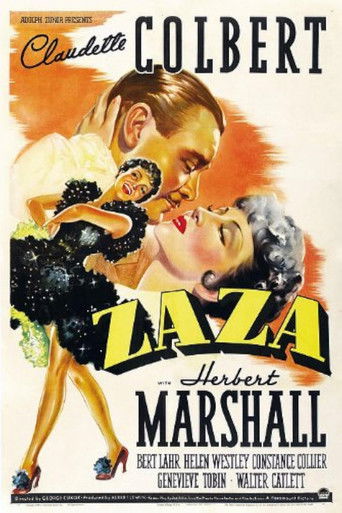
Zaza
1938
Screenplay
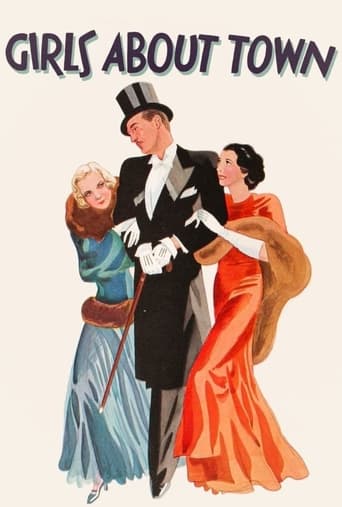
Girls About Town
1931
Writer
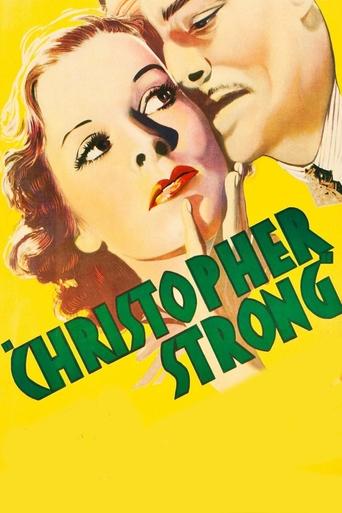
Christopher Strong
1933
Screenplay
The Bitter Waters
1956
Teleplay