David Perlov
Known for Directing
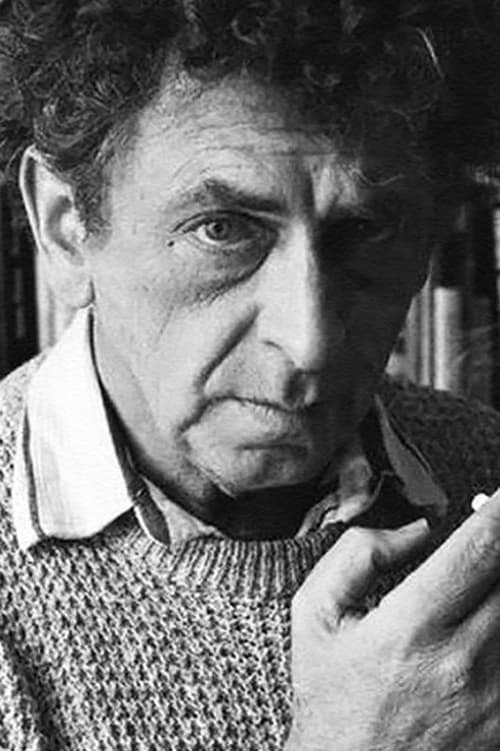
Biography
David Perlov (Hebrew: דוד פרלוב) (born 9 June 1930 in Rio de Janeiro, Brazil; died December 13, 2003, in Tel Aviv, Israel) was an Israeli documentary filmmaker. David Perlov was born in Rio de Janeiro and grew up in Belo Horizonte. At the age of 10, he went to live with his grandfather in São Paulo. At the age of 22, he moved to Paris and worked as a projectionist for the newly established Cinematheque. In 1957, he made his first short film, Tante chinoise (Old Aunt China), based on drawings of a 12-year-old girl of the French provincial bourgeoisie of 1890 which he found in the cellar of the Paris house in which he was living. In 1958, Perlov immigrated to Israel, settling with his wife Mira on Kibbutz Bror Hayil. The couple had two daughters, the twins Yael Perlov and Naomi Perlov. In 1963, Perlov made a 33-minute documentary In Jerusalem (בירושלים, Be-Yerushalayim). This film came to be one of the most important films of Israeli documentary cinema. Although Perlov made two feature films by 1972 (The Pill and 42:6), his film proposals were repeatedly rejected by the Israel Broadcasting Authority and Israeli film board, which found his work too lyrical. In May of the year 1973, Perlov bought a 16 mm camera and filmed his everyday life alongside dramatic events that took place in Israel at the time. He continued this work for 10 years, sometimes with almost no economic resources, until Channel 4 of British television expressed an interest in the project in 1983. Produced in association with Israel's largest television and film studio, Herzliya Studios (Ulpanei Herzliya), the result was Perlov's work Diary (יומן). From 1973 Perlov taught in the department of film and television at Tel Aviv University.
Filmography
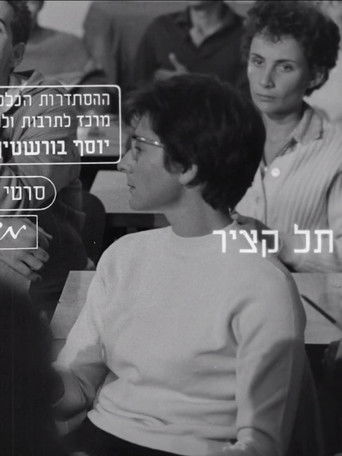
Tel Katzir
1964
Director

Diary
1983
Director
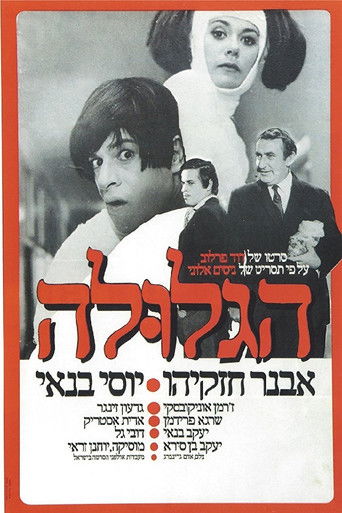
The Pill
1972
Director
Theatre In Israel
1967
Director
42:6 - Ben Gurion
1969
Director
In Thy Blood, Live
1961
Director
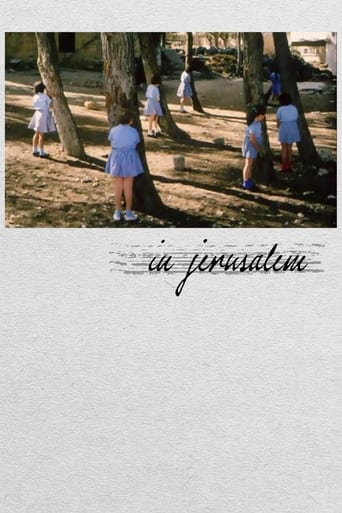
In Jerusalem
1963
Director

Fisherman In Jaffa
1962
Director
The Invasion of the Arab Armies - May 1948
1973
Director
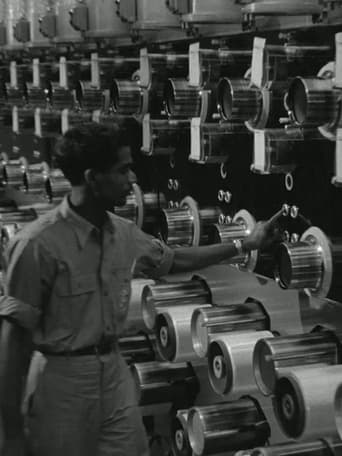
High Tension
1961
Director
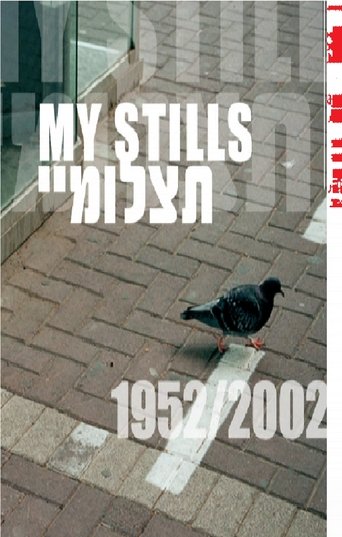
my stills 1952-2002
2002
Director
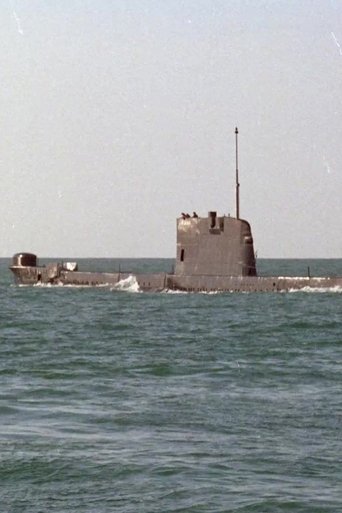
Navy
1971
Director
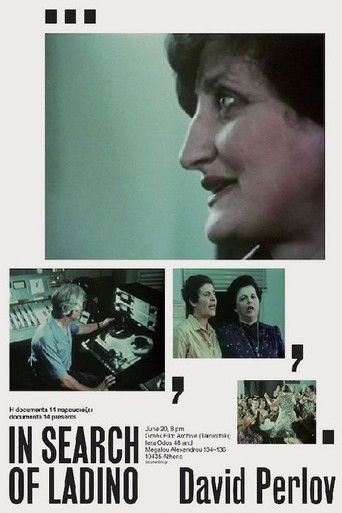
In Search of Ladino
1981
Director

Biba
1977
Director
Kibbutz Moshav Moshava - Moshava
1973
Director

The National Water Carrier
1964
Director
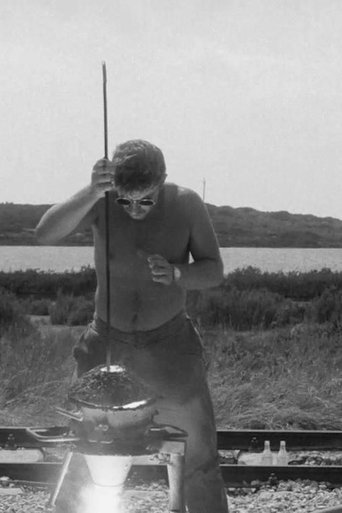
On a New Track
1966
Director
Memories of the Eichmann Trial
1979
Director
Kibbutz Moshav Moshava - Moshav
1973
Director
Kibbutz Moshav Moshava - Kibbutz
1973
Director