Louise Brooks
Known for Acting
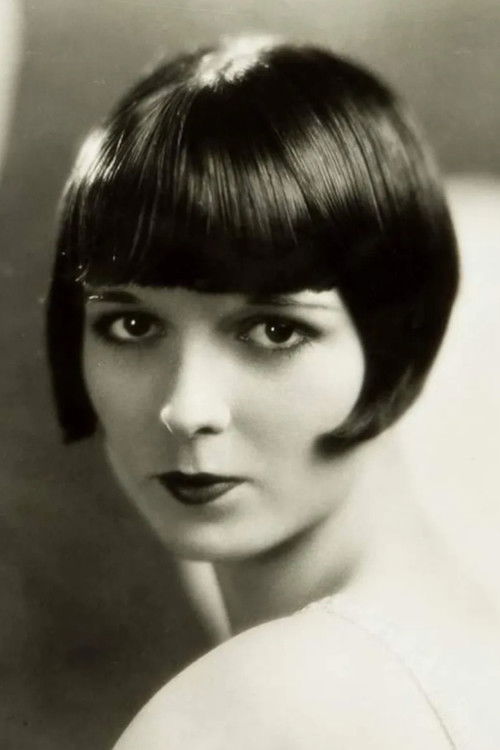
Mary Louise Brooks (November 14, 1906 – August 8, 1985) was an American film actress and dancer during the 1920s and 1930s. She is regarded today as an icon of the Jazz Age and flapper culture, in part due to the bob hairstyle that she helped popularize during the prime of her career. Brooks began her career as a dancer. While dancing in the Ziegfeld Follies in New York City, she came to the attention of Walter Wanger, a producer at Paramount Pictures, and was signed to a five-year contract with the studio. She appeared in supporting roles in various Paramount films before taking the heroine's role in Beggars of Life (1928). Dissatisfied with her mediocre roles in Hollywood films, Brooks went to Germany in 1929 and starred in three feature films that launched her to international stardom: Pandora's Box (1929), Diary of a Lost Girl (1929), and Miss Europe (1930); the first two were directed by G. W. Pabst. By 1938, she had starred in seventeen silent films and eight sound films. After retiring from acting, she fell upon financial hardship and became a paid escort. For the next two decades, she struggled with alcoholism and suicidal tendencies. Following the rediscovery of her films by cinephiles in the 1950s, a reclusive Brooks began writing articles about her film career; her insightful essays drew considerable acclaim. She published her memoir, Lulu in Hollywood, in 1982. Three years later, she died of a heart attack at age 78. [preceding biography, edited, from Wikipedia]
Filmography
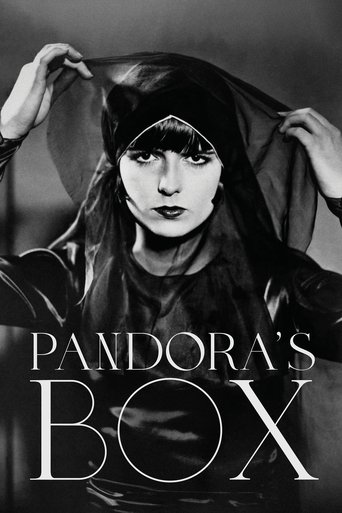
Pandora's Box
1929
as Lulu
Why Be Good?: Sexuality & Censorship in Early Cinema
2007
as Self (archive footage)
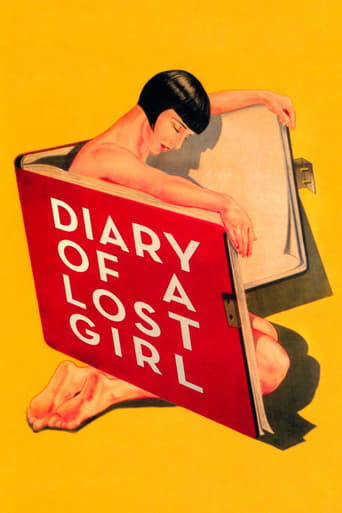
Diary of a Lost Girl
1929
as Thymian Henning
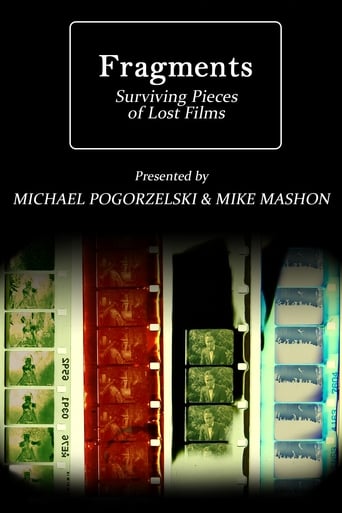
Fragments: Surviving Pieces of Lost Films
2011
as Herself (archive footage)

Louise Brooks: Looking for Lulu
1998
as Herself (archive footage)
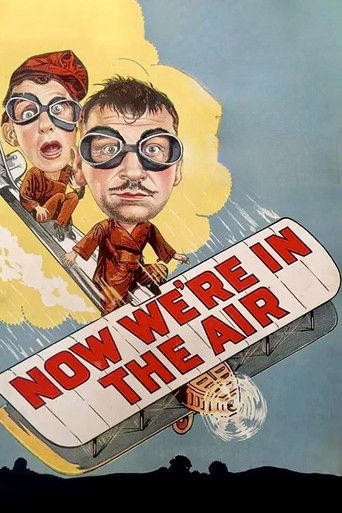
Now We're in the Air
1927
as Griselle and Grisette
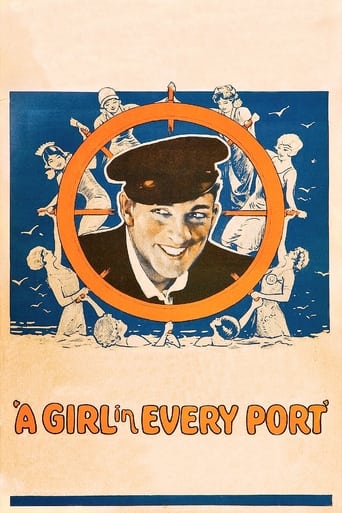
A Girl in Every Port
1928
as Marie / Mam'selle Godiva
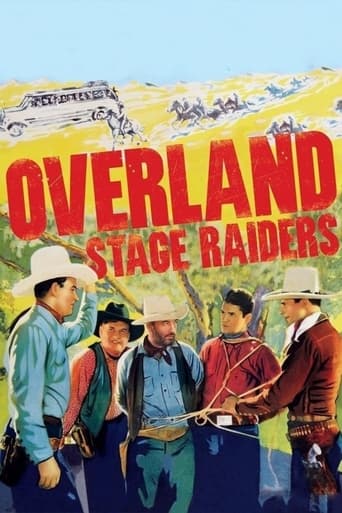
Overland Stage Raiders
1938
as Beth Hoyt
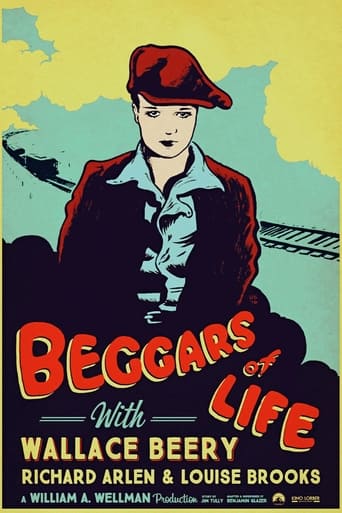
Beggars of Life
1928
as The Girl (Nancy)
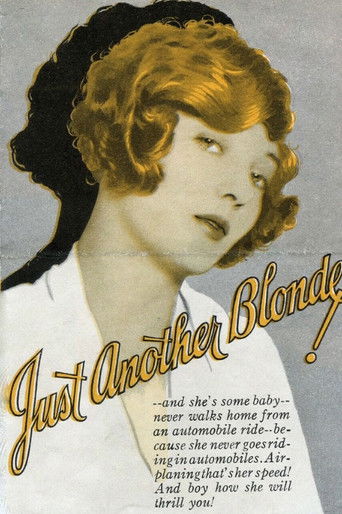
Just Another Blonde
1926
as Diana O'Sullivan

The Canary Murder Case
1929
as The Canary
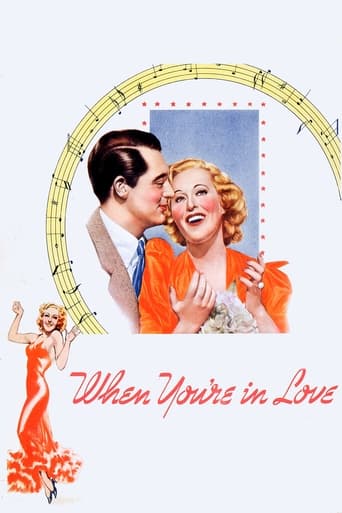
When You're in Love
1937
as Specialty Ballerina in Chorus
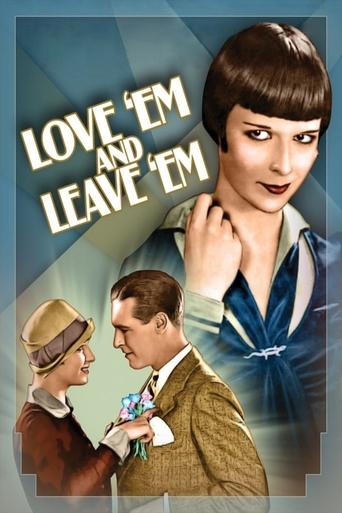
Love 'Em and Leave 'Em
1926
as Janie Walsh
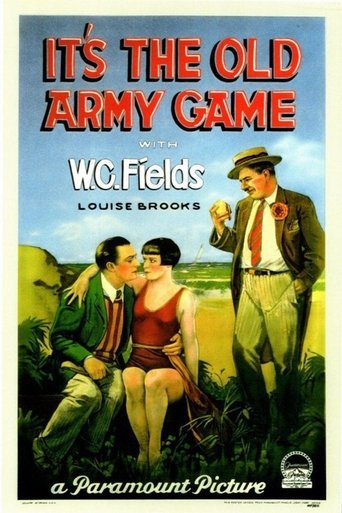
It's the Old Army Game
1926
as Mildred Marshall
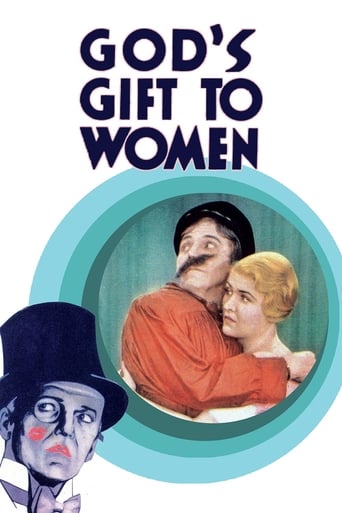
God's Gift to Women
1931
as Florine
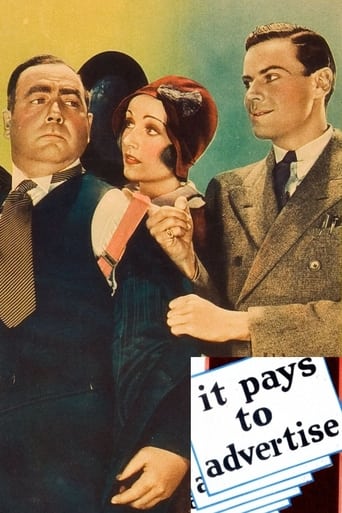
It Pays to Advertise
1931
as Thelma Temple
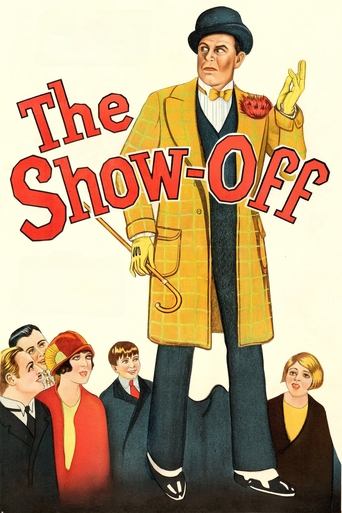
The Show Off
1926
as Clara
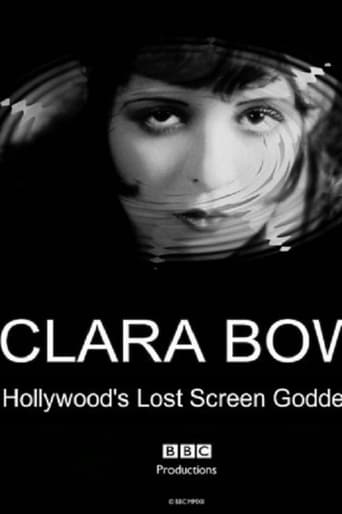
Clara Bow: Hollywood's Lost Screen Goddess
2012

Memories of Berlin: The Twilight of Weimar Culture
1976
as Self - Interviewee
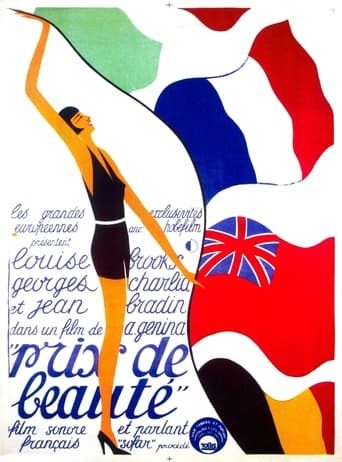
Miss Europe
1930
as Lucienne