Oleksandr Dovzhenko
Known for Directing
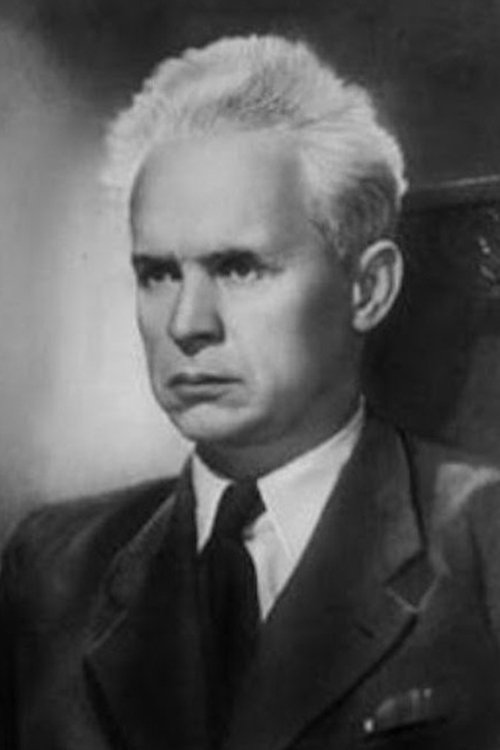
Oleksandr Petrovych Dovzhenko was a Ukrainian Soviet screenwriter, film producer and director. He is often cited as one of the most important early Soviet filmmakers, alongside Sergei Eisenstein, Dziga Vertov, and Vsevolod Pudovkin, as well as being a pioneer of Soviet montage theory. Although Oleksandr Dovzhenko's parents were uneducated, his semi-literate grandfather encouraged him to study, leading him to become a teacher at the age of 19. Dovzhenko turned to film in 1926 when he landed in Odesa. His ambitious drive led to the production of his second-ever screenplay, Vasya the Reformer (which he also co-directed). He gained greater success with Zvenyhora in 1928 which established him as a major filmmaker of his era. His following "Ukraine Trilogy" (Zvenyhora, Arsenal, and Earth), although underappreciated by some contemporary Soviet critics (who found some of its realism counter-revolutionary), is his most well-known work in the West. For his film Shchors, Dovzhenko was awarded the Stalin Prize (1941); eight years later, in 1949, he was awarded another Stalin Prize for his film Michurin. After spending several years writing, co-writing and producing films at Mosfilm Studios in Moscow, he turned to writing novels. Over a 20-year career, Dovzhenko personally directed only 7 films. He was a mentor to the young Ukrainian Soviet filmmakers Larysa Shepitko and Sergei Parajanov. Dovzhenko died of a heart attack on November 25, 1956 in his dacha in Peredelkino. His wife, Yulia Solntseva, continued his legacy by producing films of her own and completing projects Dovzhenko was not able to create. The Dovzhenko Film Studios in Kyiv were named after him in his honour following his death.
Filmography
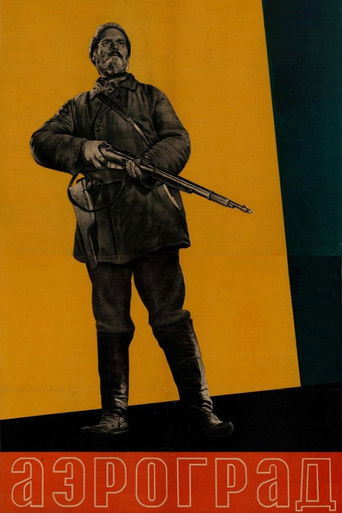
Aerograd
1935
Writer
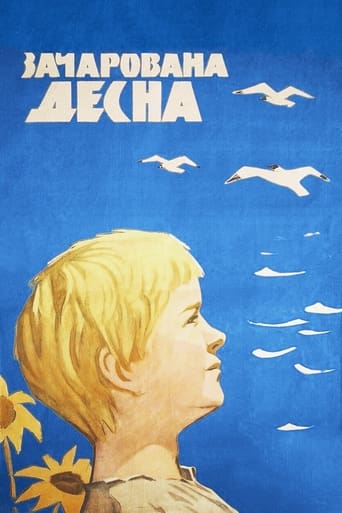
The Enchanted Desna
1964
Novel
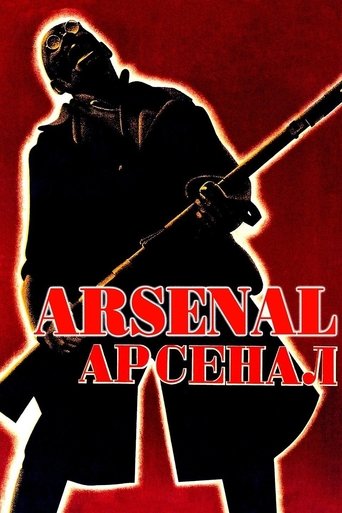
Arsenal
1929
Writer
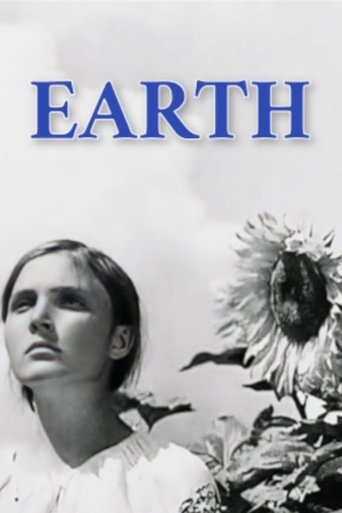
Earth
1930
Writer
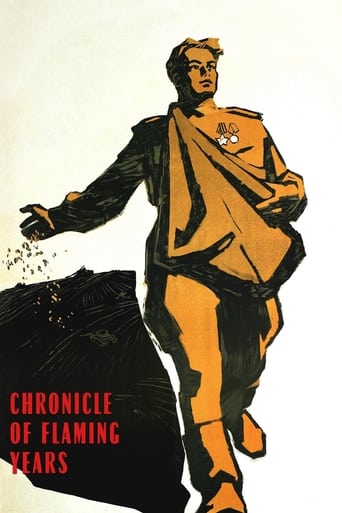
Chronicle of Flaming Years
1961
Writer
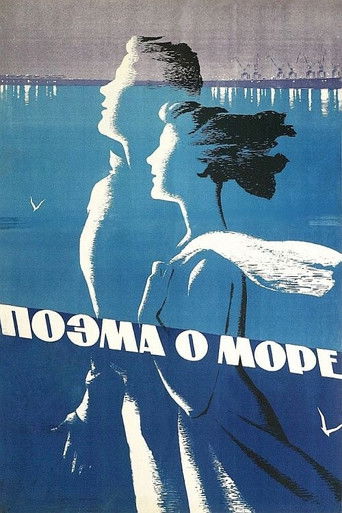
Poem of the Sea
1958
Writer
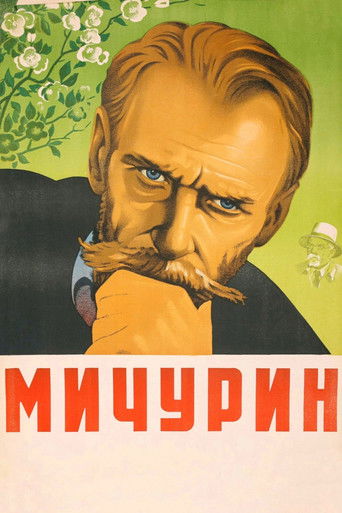
Michurin
1949
Writer
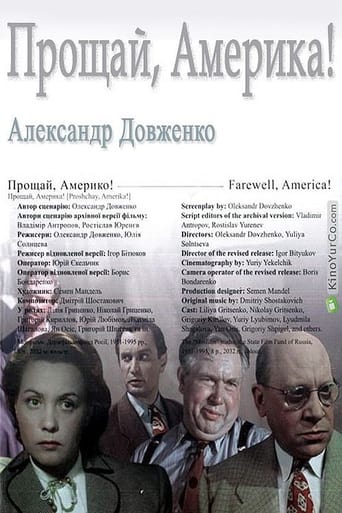
Farewell, America!
1951
Screenplay
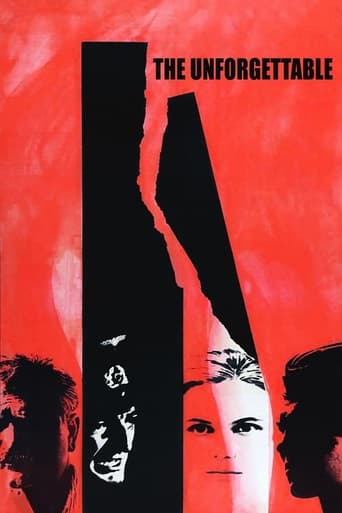
The Unforgettable
1967
Book
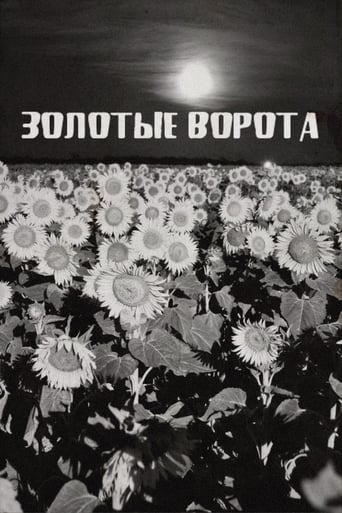
The Golden Gates
1971
Writer
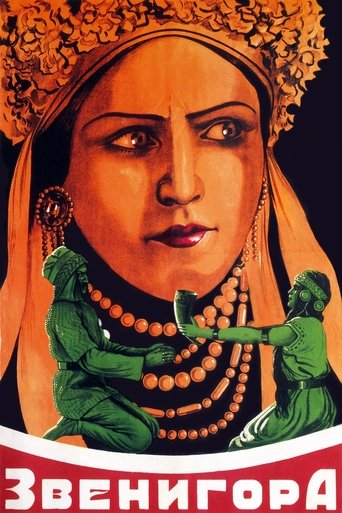
Zvenyhora
1928
Writer
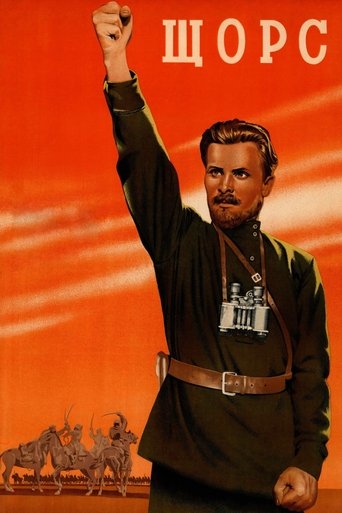
Shchors
1939
Screenplay
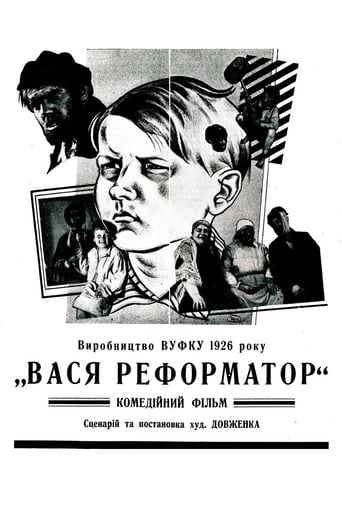
Vasya, the Reformer
1926
Writer
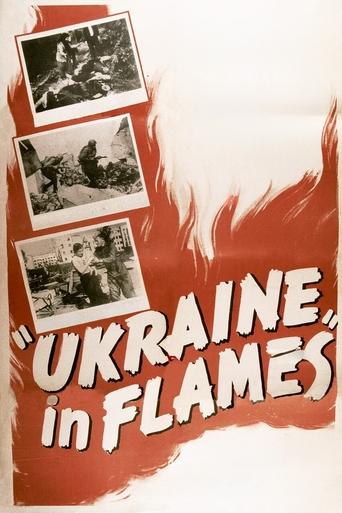
Ukraine in Flames
1943
Writer
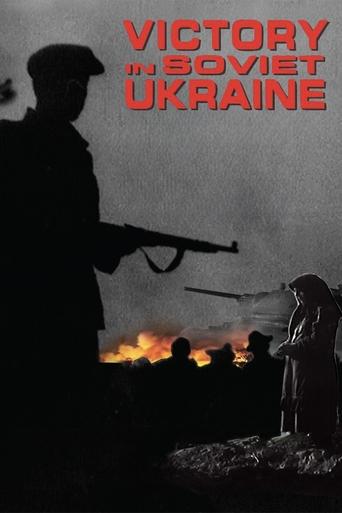
Victory in Soviet Ukraine
1945
Writer
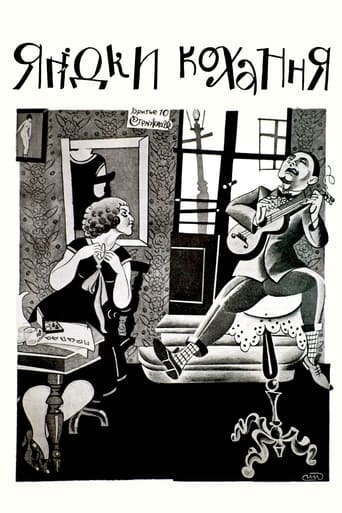
Love's Berries
1926
Writer
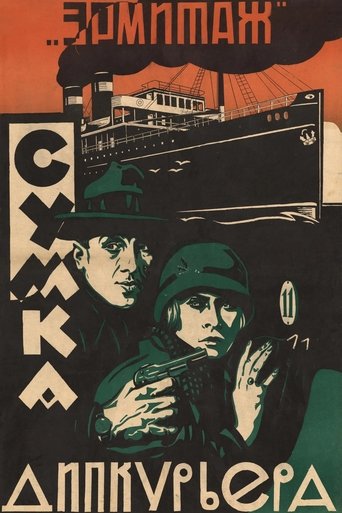
The Diplomatic Pouch
1927
Writer
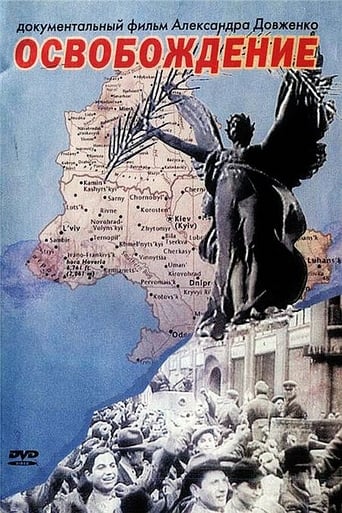
Liberation
1940
Screenplay
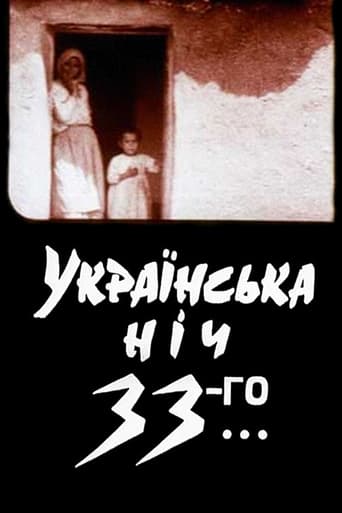
Ukrainian Night of the 33rd
1994
Writer
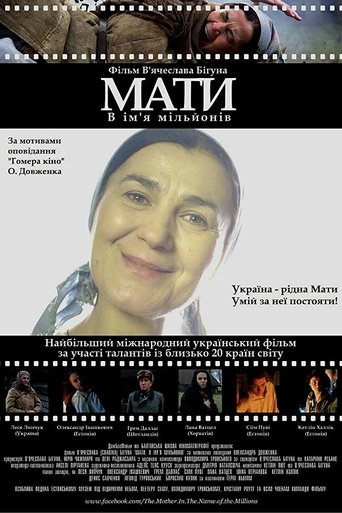
Mother. In the Name of Millions
2014
Short Story