William Stack
Known for Acting
Biography
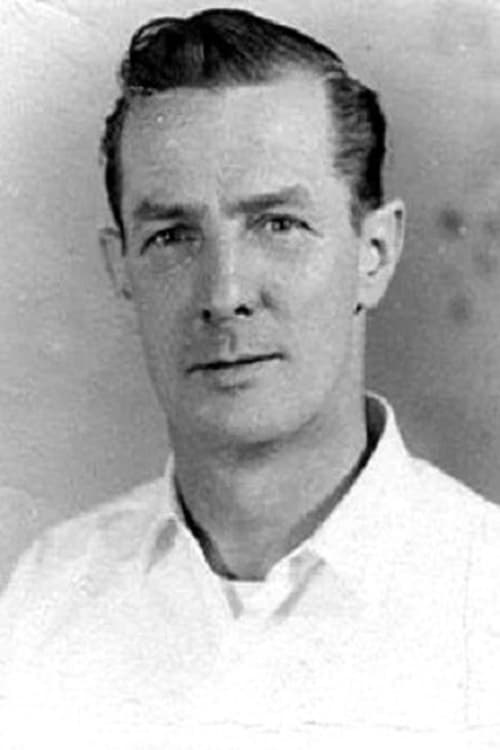
William Stack has been often mistaken as British in the scant bio information available on him - he could imitate many a British accent. He was actually born in Oregon. But like many Americans who wished to become serious stage actors and seeing New York as overly competitive, he went to London as a young man. Not much is known about his career there, but with many theaters (almost fifty) and companies around, the opportunities for a talented young man were there. From the craze for post cards with the subject of photos - and especially those of actors that ensued between about 1890 and 1914, there exist pictures of Stack as Hamlet. So Stack did find initial success, and by 1918 he tried his hand in the budding British silent film industry with not much initial interest - just one film that year and another in 1922, then back to the stage. But by 1930 Stack was back in America - and not to Broadway (perhaps in a touring company, but at least not on record as a principal), as was a stage actor's usual course. He did end up in early Hollywood sound pictures - those with marginal sound quality - first with Fredric March as the star in Sarah and Son (1930). With a rich stage actor's voice and accents to apply where needed - and appreciated as audio technology improved - he appeared in from four to ramping up to as many as ten pictures per year through the 1930s. Moving into his 50s, bald and dignified, his roles were focused as featured character pieces - assured doctors, lawyers, judges, nobles, and several butlers. He was one of the Crawley clan in Becky Sharp (1935), the first feature-length three-color film. He perhaps gained press from being in one movie of some scandalous notoriety - Tarzan and His Mate (1934) in which Maureen O'Sullivan appeared to swim nude (somebody else in a body stocking). Although he had a few lines as a white hunter, in this and other films (of note, MGM's first and most famous version of Mutiny on the Bounty, 1935), Stack was not credited for his always believable characterizations. The year 1936 provided Stack with some his most memorable historical roles. He played the French general Montcalm of the French and Indian War in the popular The Last of the Mohicans (1936) with Randolph Scott. The same year he played a much richer character in the film adaptation of the play Mary of Scotland (1936) directed by John Ford. Along with an assemblage of some of the best character actors of Hollywood, Stack played one among a rogues' gallery of self-seeking Scottish lords who included: Robert Barrat, Gavin Muir (another American who spent time in England and was often thought to be British), and Ian Keith. Stack is able to be most Shakespearean, vying in Scottish brogue with his fellow conspirators as the sly Lord Ruthven. Although Stack appeared in many of the best A pictures of the later 1930s, many did not give credit for his great acting skills. There were only a few movies into the 1940s, before he retired - leaving film history all the richer for his screen presence.
Filmography
Gone with the Wind
1939
as Minister (uncredited)

Romance
1930
as Gossiping Party Guest (uncredited)
Libeled Lady
1936
as Editor (uncredited)
Mutiny on the Bounty
1935
as Judge Advocate (uncredited)
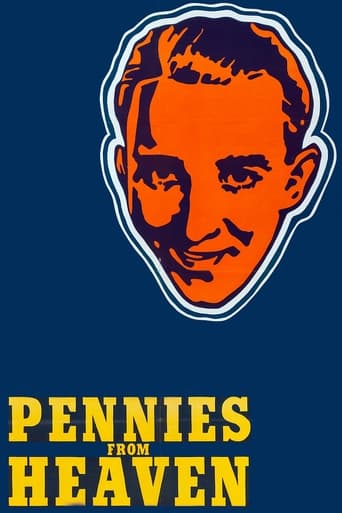
Pennies from Heaven
1936
as Clarence B. Carmichael
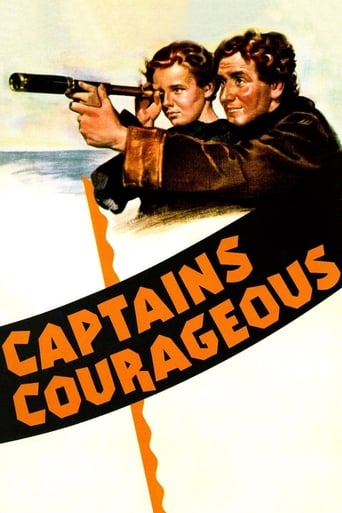
Captains Courageous
1937
as Elliott (uncredited)
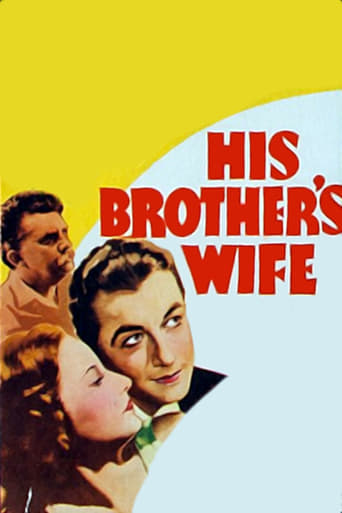
His Brother's Wife
1936
as Winters

The Last of the Mohicans
1936
as General Montcalm

Four Men and a Prayer
1938
as Prosecuting Attorney
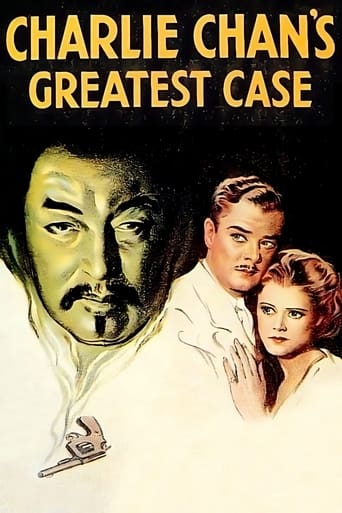
Charlie Chan's Greatest Case
1933
as James Eagan
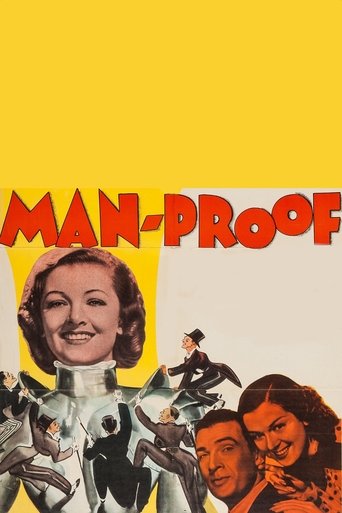
Man-Proof
1938
as Minister

The Earl of Chicago
1940
as Coroner (uncredited)
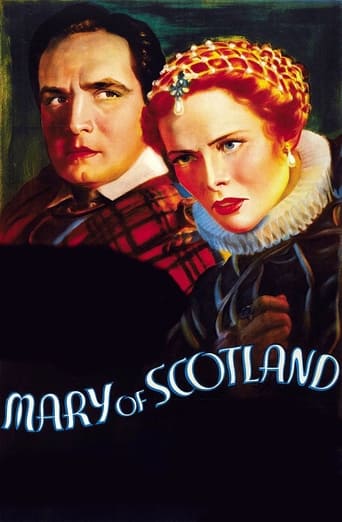
Mary of Scotland
1936
as Ruthven
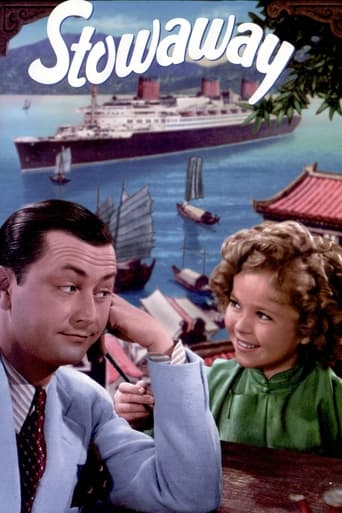
Stowaway
1936
as Alfred Kruikshank
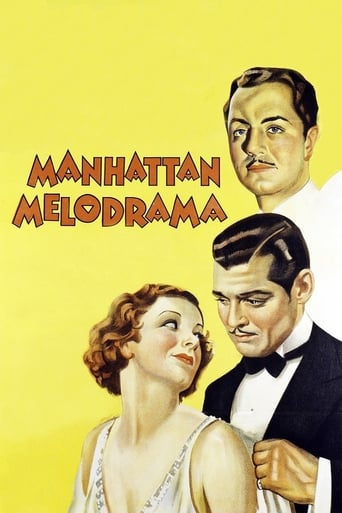
Manhattan Melodrama
1934
as Judge (uncredited)
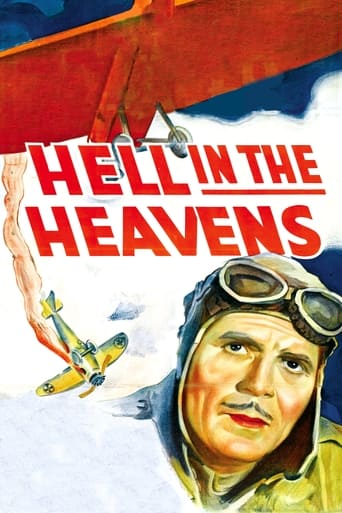
Hell in the Heavens
1934
as Capt. Andre De Laage
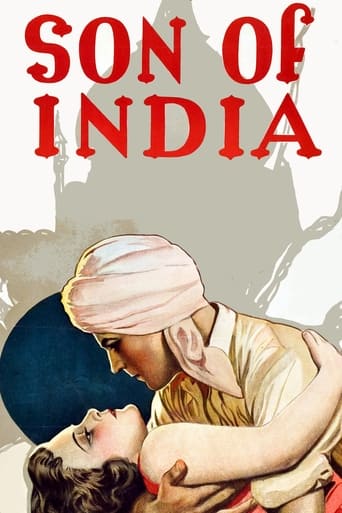
Son of India
1931
as Polo Club President (uncredited)
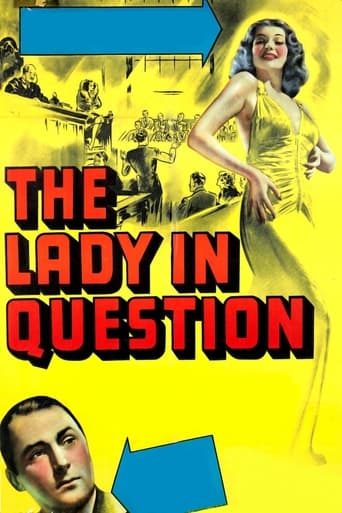
The Lady in Question
1940
as Mr. Marinier (uncredited)
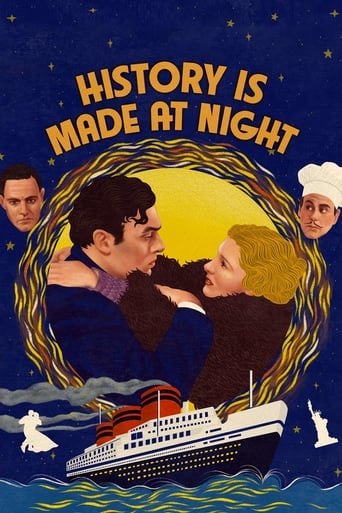
History Is Made at Night
1937
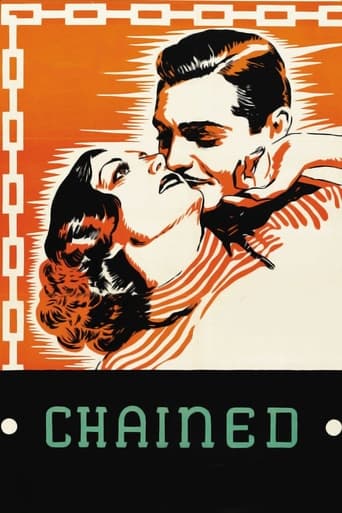
Chained
1934
as James (uncredited)