Lil Dagover
Known for Acting
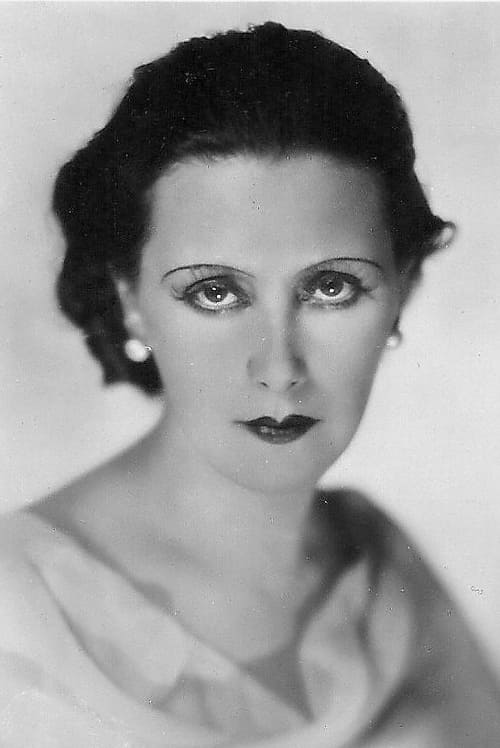
A prominent German film actress born on 30 September 1887 at Madiven, Java, the daughter of a forest ranger in the service of the Dutch authorities. Sent at the age of ten to Baden-Baden to study, she later entered the cinema thanks to her marriage in 1917 to the actor Fritz Dagover who was 25 years her senior. They divorced in 1919 but not before he had introduced her to director Robert Wiene and other notables of German cinema. She made her screen debut in Fritz Lang's Harakiri (1919). Immediately after she appeared in Wiene's classic expressionist film, "The Cabinet of Dr. Caligari" (aka The Cabinet of Dr. Caligari (1920)). Apart from three trips -- one to Sweden in 1927, another to France in 1928-9 and one to Hollywood in 1931 -- most of Lil Dagover's career and fate was linked to that of the German cinema, where her role was usually that of the frail, menaced heroine. She continued to star in a great number of films during the Nazi era. Among her best performances were her roles in Congress Dances (1931), in Gerhard Lamprecht's The Higher Command (1935) and in Veit Harlan's The Kreutzer Sonata (1937). She also acted in the Deutsches Theatre Berlin, the Salzburg Festival, at forces shows and at war theaters. At one time, she was reported to have been a close friend of Adolf Hitler. In 1944, she received the War Merits Cross. Dagover continued her career in post-war Germany, playing many supporting parts until the late 1970s.
Filmography
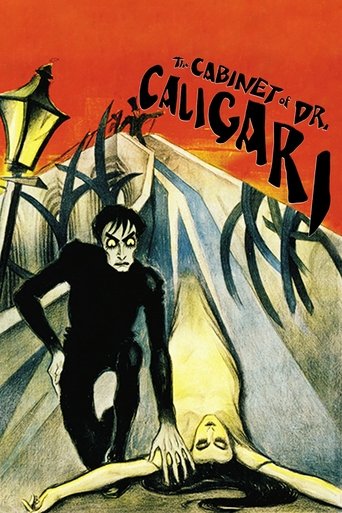
The Cabinet of Dr. Caligari
1920
as Jane
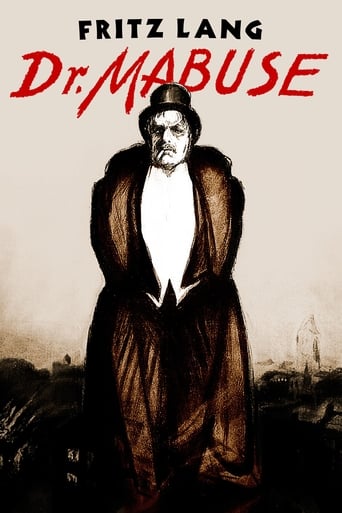
Dr. Mabuse, the Gambler
1922
as (uncredited)
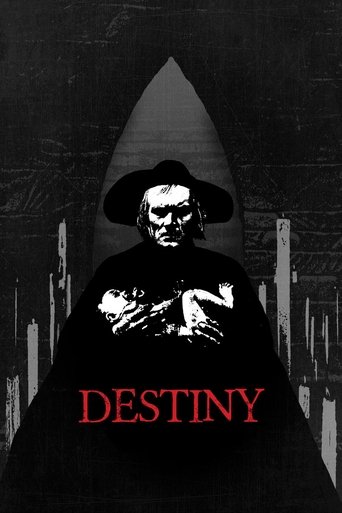
Destiny
1921
as Young Woman / Zobeide / Mona Fiametta / Tiao Tsien
The Pedestrian
1973
as Frau Eschenlohr
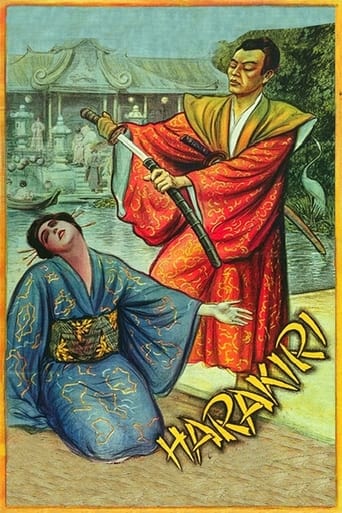
Harakiri
1919
as O-Take-San

Phantom
1922
as Marie Starke

100 Years of the UFA
2017
as Self - Actress (archive footage)
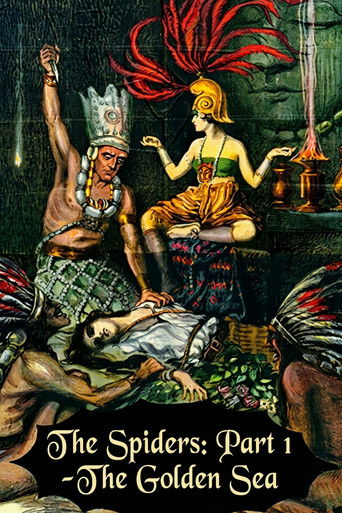
The Spiders: Part 1 - The Golden Sea
1919
as Sun Priestess Naela
End of the Game
1978
as Gastmann's Mother
The White Devil
1930
as Nelidowa
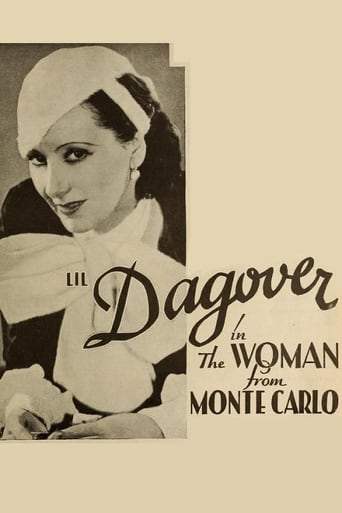
The Woman from Monte Carlo
1932
as Lottie Corlaix
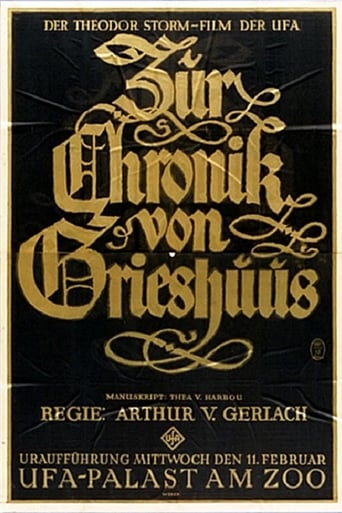
The Chronicles of the Gray House
1925
as Bärbe
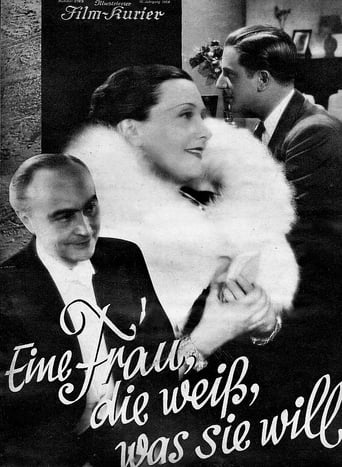
Eine Frau die weiß, was sie will
1934
as Manon Cavallini
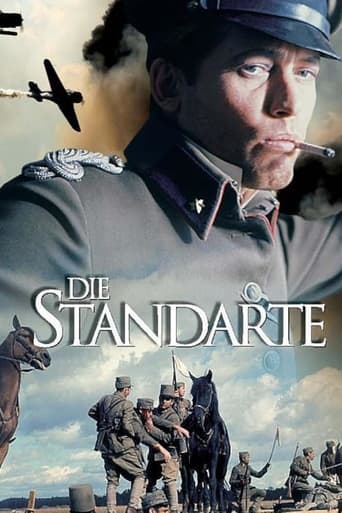
The Standard
1977
as Erzherzogin
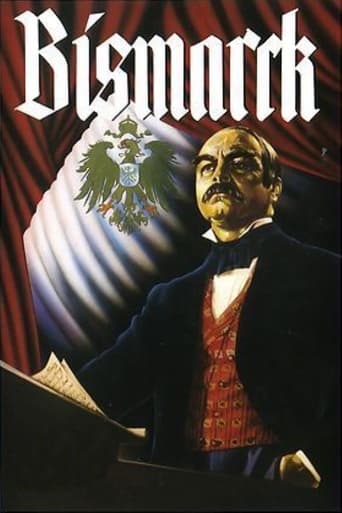
Bismarck
1940
as Eugénie
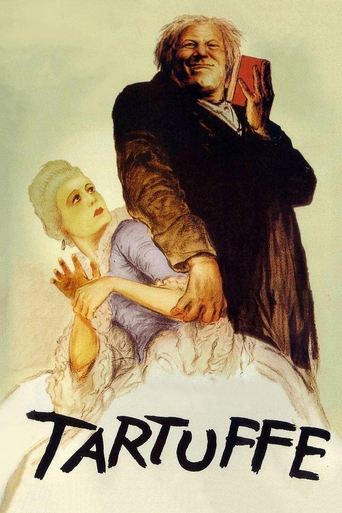
Tartuffe
1926
as Frau Elmire / Elmire, Orgon's wife
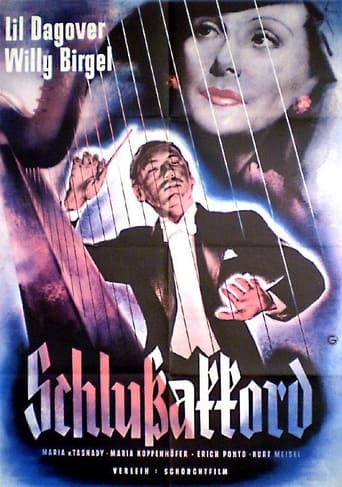
The Final Chord
1936
as Charlotte Garvenberg, seine Frau

The Great Passion
1930
as Herself
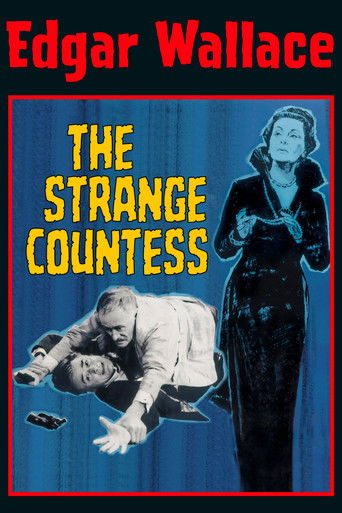
The Strange Countess
1961
as Gräfin / Lady Leonora Moron
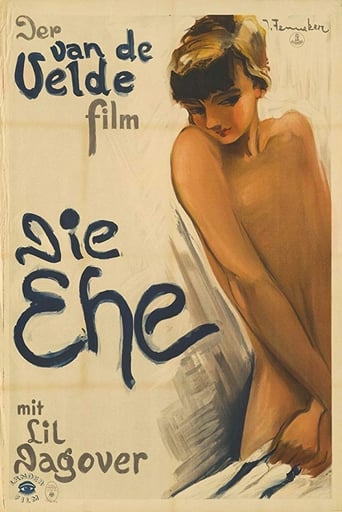
Die Ehe
1929