King Baggot
Known for Acting
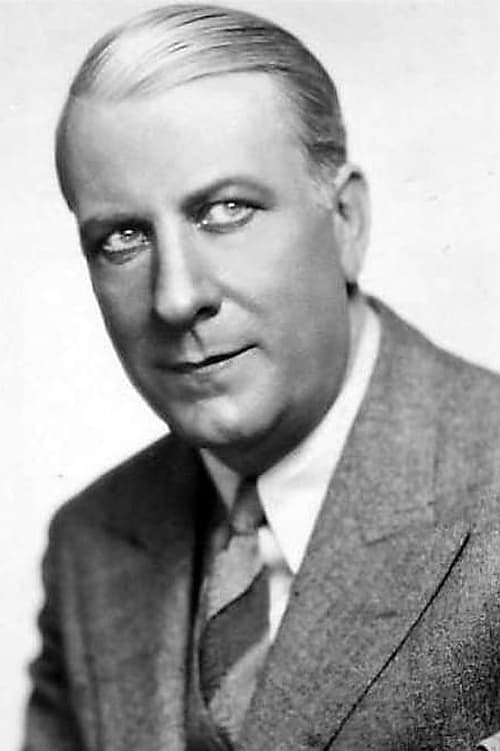
From Wikipedia, the free encyclopedia William King Baggot (November 7, 1879 – July 11, 1948) was an American actor, film director and screenwriter. He was an internationally famous movie star of the silent film era. The first individually publicized leading man in America, Baggot was referred to as "King of the Movies", "The Most Photographed Man in the World", and "The Man Whose Face Is As Familiar As The Man In The Moon". Baggot appeared in over 300 motion pictures from 1909 to 1947, wrote 18 screenplays, and directed 45 movies from 1912 to 1928, including The Lie (1912), Raffles: The Amateur Cracksman (1925), and The House of Scandal (1928). He also directed William S. Hart in his most famous western, Tumbleweeds (1925). Among his film appearances, Baggot was best known for The Scarlet Letter (1911), Dr. Jekyll and Mr. Hyde (1913), and Ivanhoe (1913). Baggot began his career on the stage, in a Shakespearean stock company, and toured throughout the U.S. While acting in stock in St. Louis in 1909, he was cast as supporting player in the Schubert touring production of The Wishing Ring. When The Wishing Ring closed in Chicago, Baggot returned to New York to join another company. Upon a chance meeting with Harry Solter, who was directing movies for Carl Laemmle at Independent Moving Pictures Company (IMP), he was persuaded to go with Solter to the studio. Baggot became interested in the fledgling industry and decided to turn picture player. His first film was the romance short The Awakening of Bess (1909) opposite Florence Lawrence. It was directed by Harry Solter, her husband, at IMP in Fort Lee, New Jersey. At a time when screen actors worked anonymously, Baggot and Lawrence became the first "movie stars" to be given billing, a marquee, and promotion in advertising. Baggot starred in at least 42 movies opposite Lawrence from 1909 to 1911. In the latter year, he starred in at least 16 movies with Mary Pickford. He also began writing screenplays and directing, all the while becoming a major star internationally. When he appeared "in person" at theatres he was mobbed at stage doors. By 1912, he was so famous that when he took the leading part in forming the prestigious Screen Club in New York, the first organization of its kind strictly for movie people, he was the natural choice for its first president. King Baggot died in Los Angeles, California in 1948, age 68. For his contributions to the film industry, Baggot received a motion pictures star on the Hollywood Walk of Fame in 1960. His star is located at 6312 Hollywood Boulevard.
Filmography
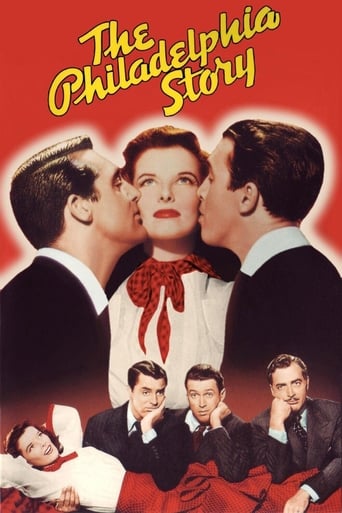
The Philadelphia Story
1940
as Wedding Guest (uncredited)
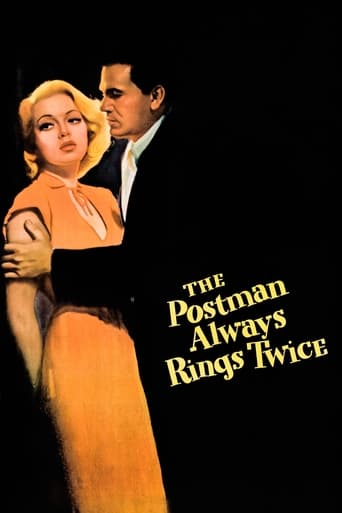
The Postman Always Rings Twice
1946
as Courtroom Spectator (uncredited)
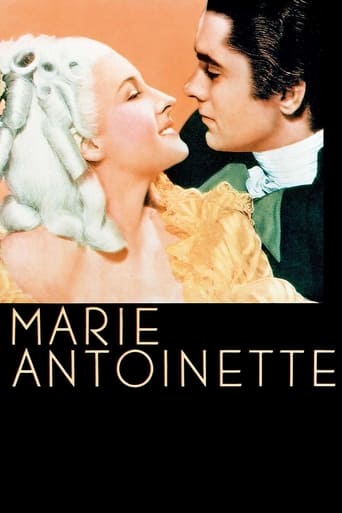
Marie Antoinette
1938
as Nobleman at Court (uncredited)
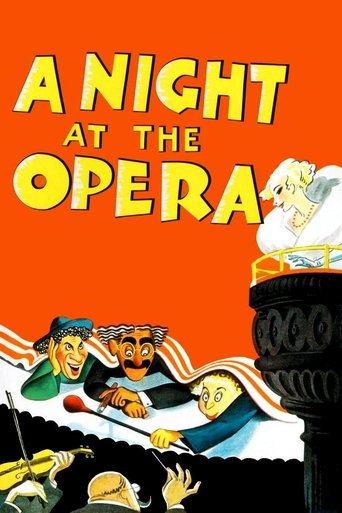
A Night at the Opera
1935
as Dignitary (uncredited)
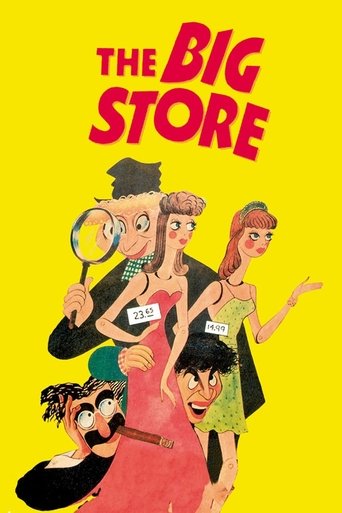
The Big Store
1941
as Store Employee (uncredited)
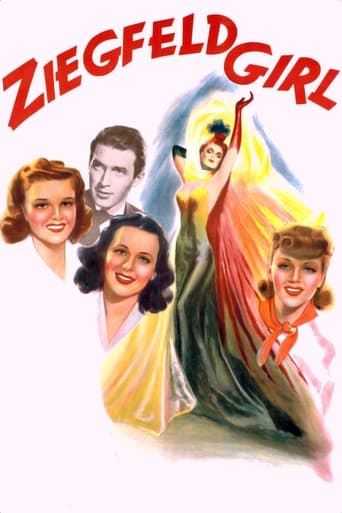
Ziegfeld Girl
1941
as Man in Audience (uncredited)
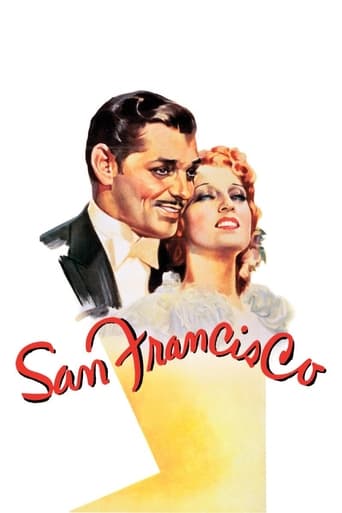
San Francisco
1936
as Earthquake Survivor (uncredited)
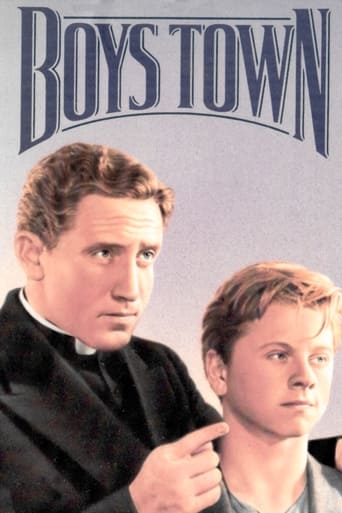
Boys Town
1938
as Derelict in Mission (uncredited)
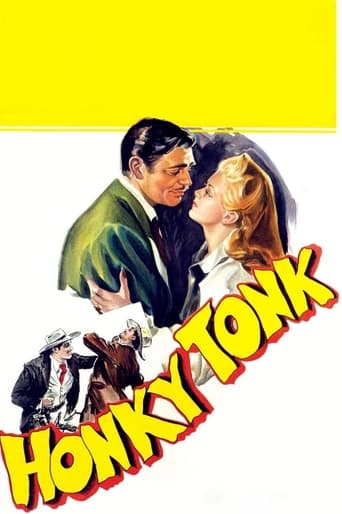
Honky Tonk
1941
as Townsman (uncredited)
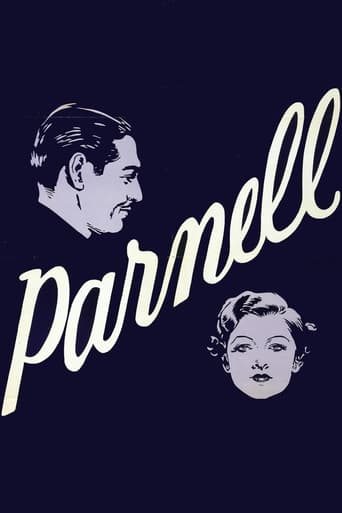
Parnell
1937
as Man in Office
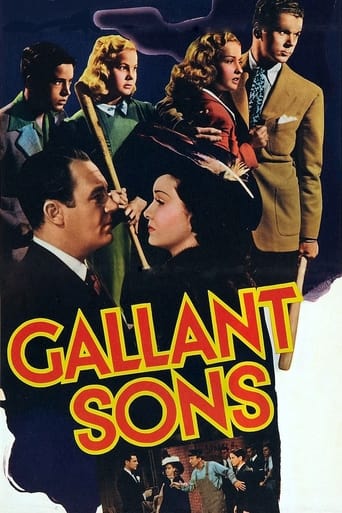
Gallant Sons
1940
as Man on Street / Man in Audience (uncredited)
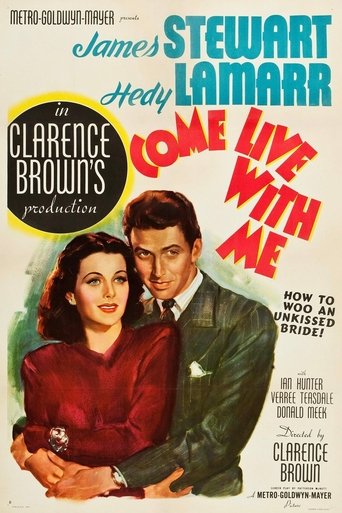
Come Live with Me
1941
as Doorman
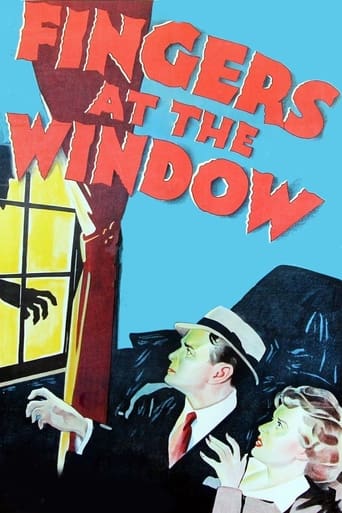
Fingers at the Window
1942
as Psychiatrist at Lecture (uncredited)
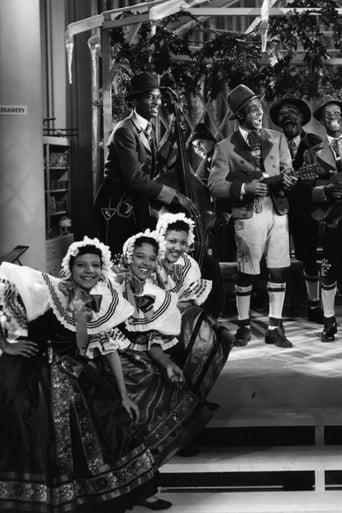
Snow Gets in Your Eyes
1938
as Department Store Customer (uncredited)
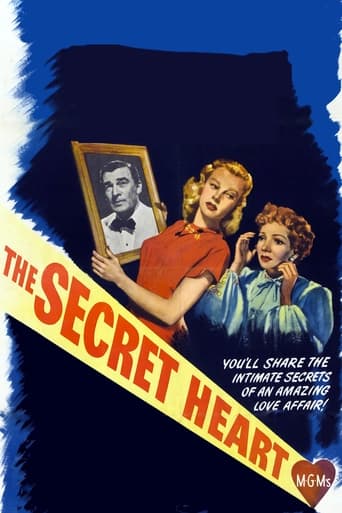
The Secret Heart
1946
as Man at Graduation Ceremony
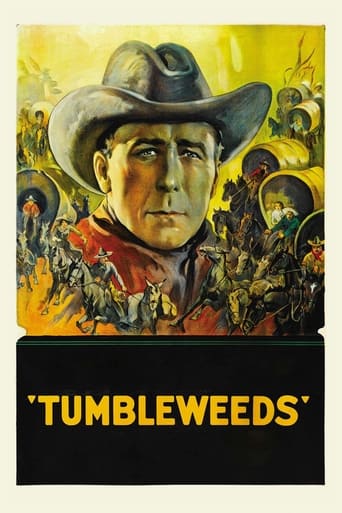
Tumbleweeds
1925
Director
Bud Abbott and Lou Costello in Hollywood
1945
as Barbershop Patron (uncredited)
The Devil-Doll
1936
as Detective Pierre (uncredited)
I Loved a Woman
1933
as Banker (uncredited)
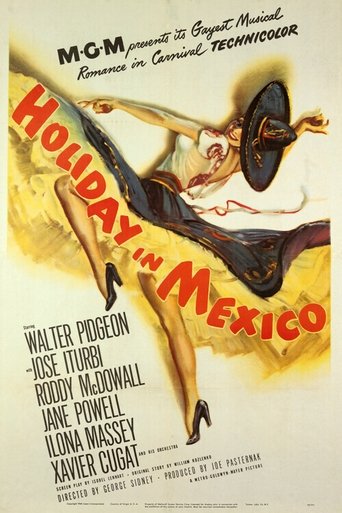
Holiday in Mexico
1946