Břetislav Pojar
Known for Directing
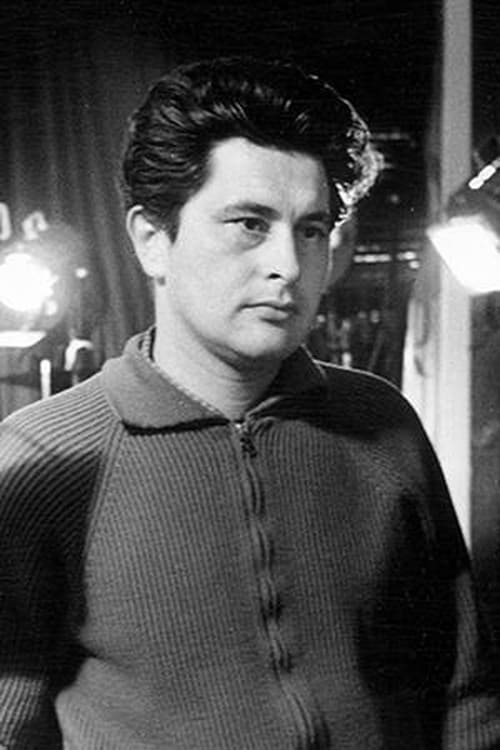
Břetislav Pojar (7 October 1923 – 12 October 2012) was a Czech puppeteer, animator, and director of short and feature films. Born in Sušice, Czechoslovakia, Pojar started his career in the late 1940s with his work on The Story of the Bass Cello (1949) based on the story by Anton Chekhov and directed by master Czech puppet animator Jiří Trnka. Pojar served as a puppeteer under his mentor Trnka. Pojar compiled an extensive body of work as a director and animator in Czechoslovakia, where he made films in both puppet animation to the more common stop motion animation. In the mid-1960s, Pojar emigrated to Canada, where he began a long collaboration with the National Film Board. His Canadian work is some of his best known and has won awards at prestigious international film festivals. His film To See or Not to See (Psychocratie) won the Canadian Film Award for Film of the Year in 1970. Pojar's work is characterized by strong social commentary, such as in Balablok, where armies of small circle- and square-shaped beings war with each other until they are all wounded into indistinguishable shapes. Often, Pojar's shorts contain little or no spoken dialogue. In the mid-2000s, Pojar moved back to the Czech film business in order to co-direct the collaborative animated feature film Fimfárum 2 (based on the stories of Jan Werich), which was released in 2006. Pojar died in Prague at the age of 89 in 2012. Description above from the Wikipedia article Břetislav Pojar, licensed under CC-BY-SA, full list of contributors on Wikipedia.
Filmography
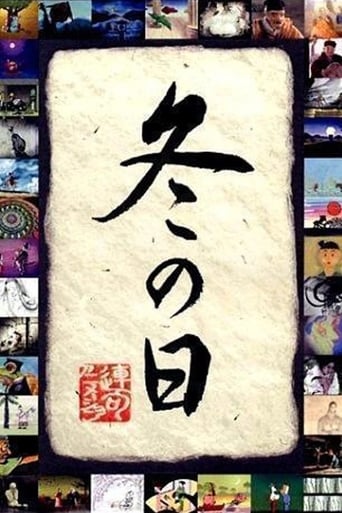
Winter Days
2003
Director
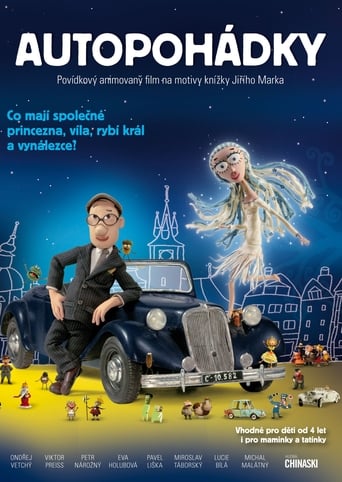
Car Fairy Tales
2011
Director
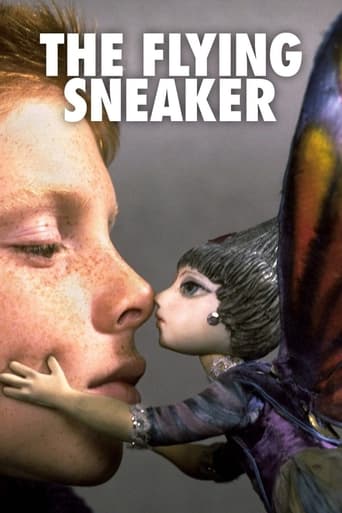
The Flying Sneaker
1991
Director
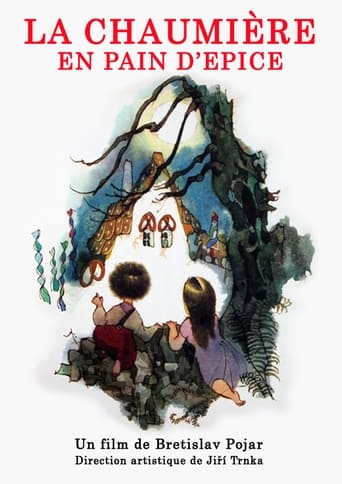
The Gingerbread House
1951
Director
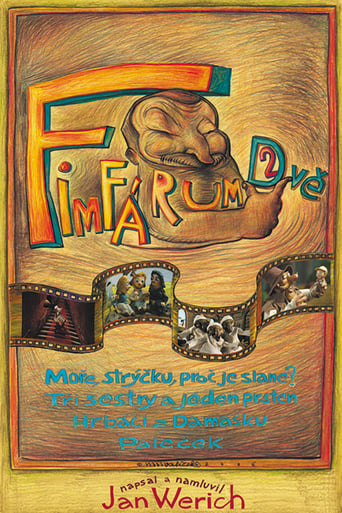
Fimfarum 2
2006
Director
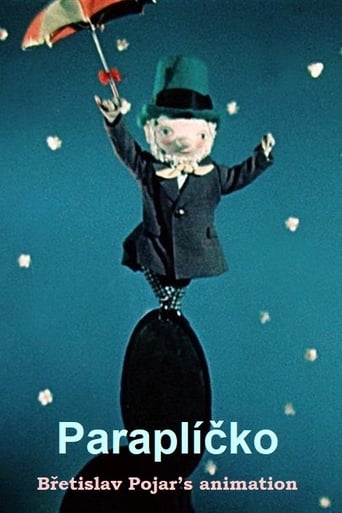
Paraplíčko
1957
Director
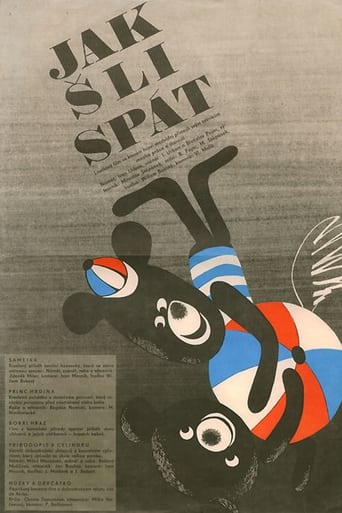
Hey, Mister, Let’s Play! How They Went to Sleep
1968
Director

Pourquoi?
1995
Director
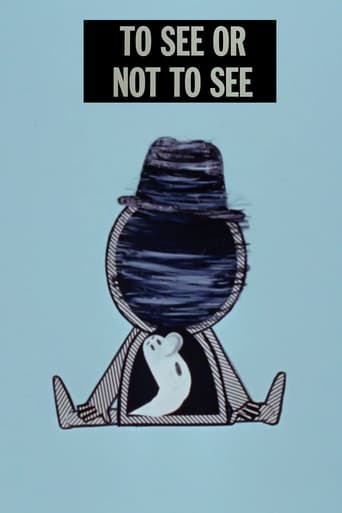
To See or Not to See
1969
Director
Dobrodružství na Zlaté zátoce
1955
Director
A Few Words of Introduction
1963
Director
Hey, Mister, Let’s Play! How They Ate Witty Porridge
1967
Director
Hey Mister, Let's Play! How They Met At Kolin
1966
Director
Children First!
1996
Director
Jak si zarídit byt
—
Director

Mouseology
1994
Director
Fanfaron, the Little Clown
1968
Director
Ideál
1964
Director
The Apple Tree Maiden
1974
Director
Narco Blues
2016
Director